
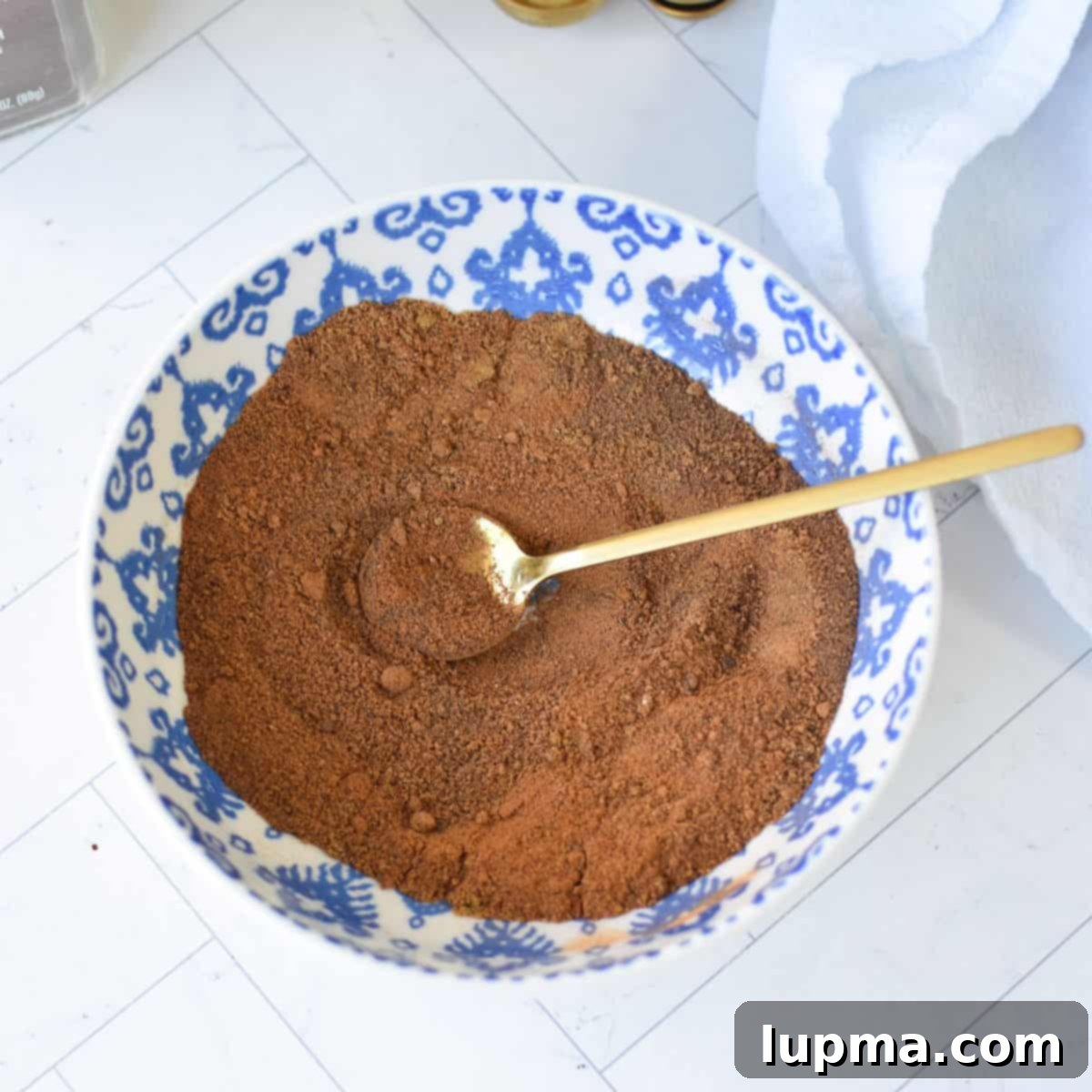
Authentic Homemade Lebanese Seven Spice Blend (Sabaa Baharat) Recipe for Rich Middle Eastern Flavors
Discover the secret to authentic Middle Eastern cuisine with this homemade Lebanese Seven Spice Blend, also known as Sabaa Baharat. This essential spice mix is incredibly warm, deeply fragrant, and complex, with aromatic notes of cinnamon and allspice taking center stage. In just five minutes, you can create a batch that will last for up to six months, forming the foundational flavor for countless traditional Lebanese dishes. Forget bland store-bought versions; crafting your own ensures unparalleled freshness and a vibrant aroma that will transform your cooking.
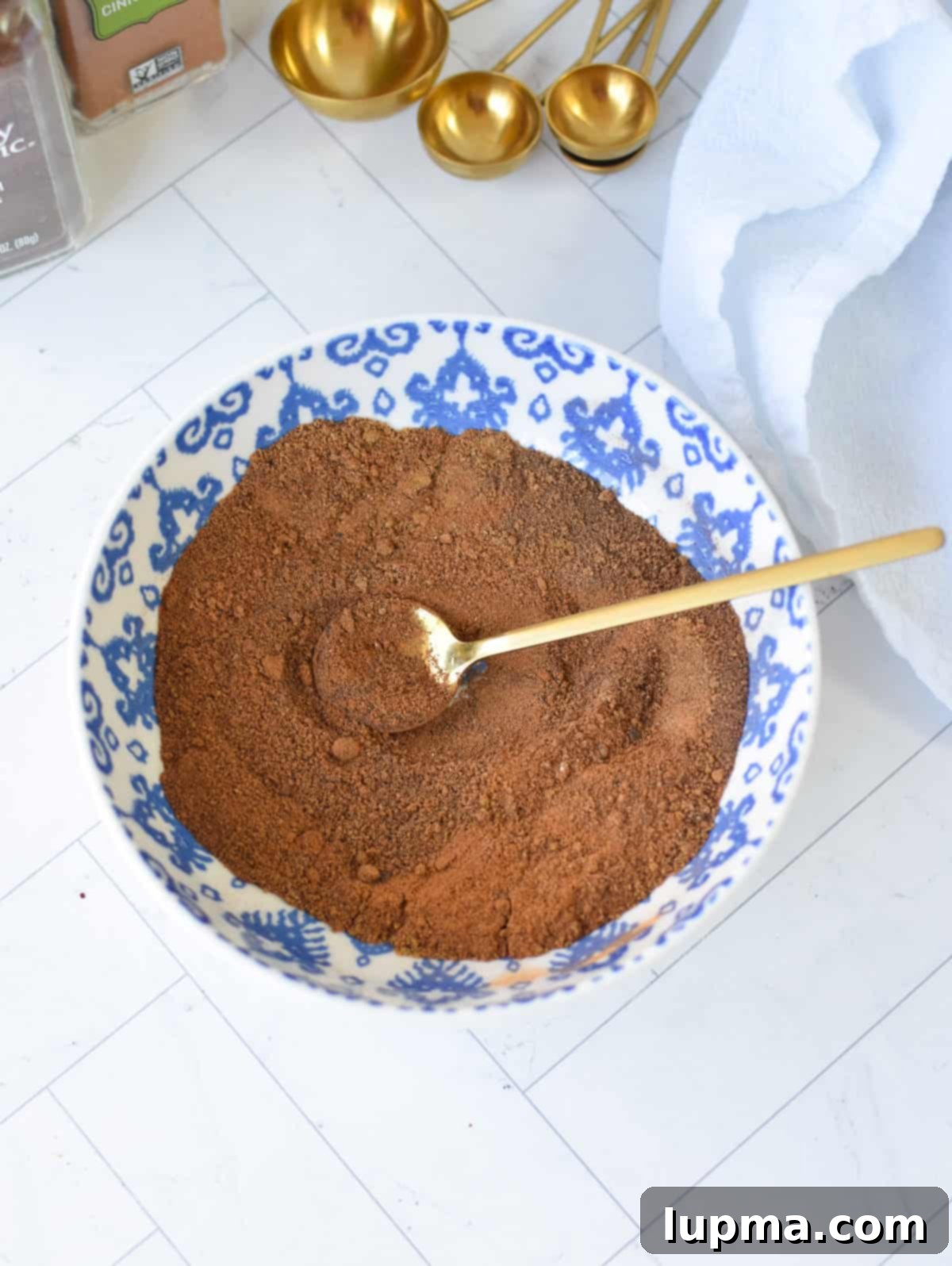
Some of my most cherished food memories are intrinsically linked to scent. Walking into my grandmother’s kitchen, I was always greeted by the inviting, warm, and earthy aroma of spices gently sizzling in a hot pan. Cinnamon was frequently found in savory meat dishes, cumin gracefully threaded through fluffy rice, and coriander lent a subtle, almost floral depth that, as a child, I couldn’t name but always instinctively recognized. Growing up with Lebanese heritage, these magnificent warm spices were a constant presence, culminating in the ubiquitous and beloved Lebanese Seven Spice Blend, a staple in every pantry.
Lebanese 7 Spice, famously called Sabaa Baharat (which simply means “seven spices” in Arabic), is the aromatic heart of countless traditional Lebanese recipes. Its versatility knows no bounds, gracing everything from savory kafta and fragrant rice pilafs to hearty soups, comforting stews, and perfectly roasted vegetables. This blend is renowned for its warming and aromatic qualities rather than its heat. The subtle sweetness and profound depth contributed by cinnamon and allspice set it apart from any other spice mix you might have in your cabinet. Once you experience the depth of flavor this homemade blend brings, you’ll find yourself reaching for it constantly, elevating everyday meals into extraordinary culinary experiences. The best part? Making it yourself is incredibly quick, requiring less than five minutes of your time.
Why You Should Make Your Own Lebanese 7 Spice Blend

While various store-bought versions of Lebanese 7 Spice exist, they often suffer from inconsistencies. Some blends are overwhelmingly heavy on cloves, resulting in a sharp, almost medicinal taste that detracts from the overall balance. Others may have languished on store shelves for an extended period, causing their vibrant warmth and essential oils to diminish significantly by the time they reach your kitchen. Furthermore, many commercial blends may include unwanted fillers or additives, compromising both flavor and purity.
By choosing to make your own homemade Lebanese 7 Spice blend, you gain complete control over the ratios of each ingredient. This ensures you know exactly what goes into your blend, allowing you to tailor it to your personal preference if desired. More importantly, when you mix freshly ground spices, the immediate difference in aroma upon opening the jar is truly remarkable. The fragrance is noticeably brighter, more complex, and incomparably superior to any pre-mixed, older blend. You will genuinely smell and taste the difference right away. This simple act of mixing your own blend takes mere minutes, and chances are, most of the individual spices are already staples in your well-stocked pantry.

The Seven Essential Spices in Lebanese Sabaa Baharat and Their Unique Contributions
Becoming a proficient cook with any spice blend goes beyond simply following a recipe. Understanding the individual flavor profile and role each spice contributes to the overall mix empowers you to truly master its application, adjust it to your taste, and even improvise in the kitchen. Here’s a detailed look at the seven spices that make up this iconic Lebanese blend:
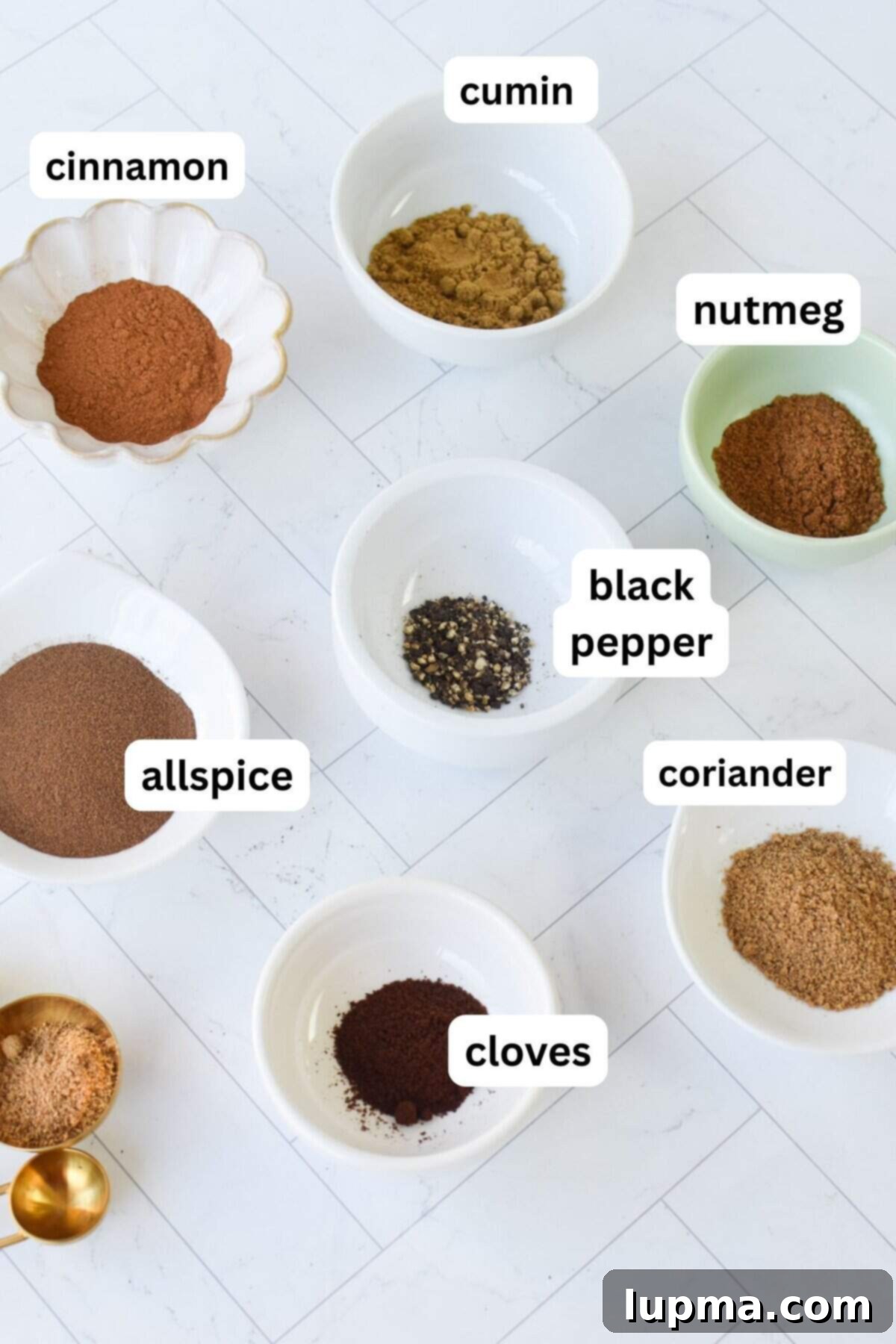
- Allspice (the unifying foundation): Allspice is the unmistakable backbone and most dominant spice in this blend, and for excellent reason. Its flavor profile is a magnificent symphony, reminiscent of cinnamon, cloves, and nutmeg all at once. This unique characteristic allows it to naturally bind and harmonize the other spices, creating a cohesive and well-rounded taste. The generous quantity of allspice in the blend is deliberate; it is precisely what gives Lebanese 7 Spice its signature, unmistakably Lebanese flavor and aroma, setting it apart from other regional baharat blends.
- Black Pepper: Essential for adding a dry, subtle warmth, black pepper ensures the blend maintains a savory balance and prevents it from leaning too sweet, which can happen with the other warm spices. For the most impactful and freshest flavor, using freshly ground black pepper is highly recommended if you have a spice grinder or pepper mill. Its mild pungency adds complexity without introducing overwhelming heat.
- Cinnamon: For those unfamiliar with Middle Eastern cooking, the prominent use of cinnamon in savory dishes can be quite surprising. However, once you taste it, its magic becomes clear. Cinnamon infuses the blend with profound warmth and aromatic depth, particularly enhancing meat dishes, without imparting overt sweetness. Lebanese cuisine, in general, embraces cinnamon in savory applications far more extensively than most Western culinary traditions, making it a key identifier of the region’s flavor profile.
- Coriander: Ground coriander brings a delightful earthy, slightly citrusy, and almost floral note to the blend. It plays a crucial role in rounding out any sharper edges from the black pepper and cloves, contributing significantly to the overall complexity and brightness of Sabaa Baharat. Its fresh, lemony undertones are subtle but vital.
- Cumin: This spice is synonymous with Middle Eastern cuisine, providing a warm, nutty, and deeply earthy flavor. Cumin effectively grounds the entire blend, lending it that characteristic, rich depth often associated with the region. It’s a fundamental component that adds an essential layer of savory warmth.
- Cloves: Cloves are intensely aromatic and incredibly potent, meaning a little goes a very long way. This is precisely why cloves are included in a smaller quantity, typically half a tablespoon. Too much clove can easily overpower all other flavors, making the blend taste one-dimensional and sharp. This careful ratio ensures their presence is felt, adding a deep, resonant warmth, without dominating the entire profile.
- Nutmeg: Lending a sweet, subtly woody, and almost perfumed quality, nutmeg is another powerful spice that must be used sparingly. Like cloves, the smaller amount specified is entirely intentional to prevent it from becoming overwhelming. For a truly superior flavor and aroma, freshly grated nutmeg, ideally from a whole nutmeg using a microplane, offers a genuinely noticeable upgrade that elevates the blend to new heights of fragrance and sophistication.
Ground vs. Whole Spices: Maximizing Flavor in Your Lebanese Blend
For everyday convenience and consistent results, pre-ground spices are perfectly acceptable and what I typically use most of the time. If you already have these essential spices in your cabinet, preparing this blend will take you no more than two minutes, and the resulting mix will stay fresh and flavorful for up to six months, ready to infuse your meals with delicious Lebanese notes.
However, if you’re looking to truly elevate your Lebanese 7 Spice blend and unlock an even deeper, more vibrant flavor profile, consider starting with whole spices. The process is a simple culinary indulgence: gently toast them in a dry skillet over medium heat for approximately 2 to 3 minutes, shaking the pan frequently. You’ll know they’re ready when they become intensely fragrant and just begin to emit a wispy hint of smoke. Once cooled slightly, grind these toasted whole spices fresh. The difference in aroma and flavor is truly remarkable and profound. The blend will smell more “alive,” and its texture will possess a slightly richer, more nuanced character. My honest recommendation is to utilize readily available ground spices for your busy weeknight cooking, but for those special occasions or when preparing dishes you truly want to shine – like a magnificent batch of homemade Lebanese kafta or exquisitely authentic kibbeh – investing the extra few minutes in toasting and grinding whole spices is an effort that pays off immensely in flavor.
How to Master Making Homemade Lebanese Seven Spice Blend
Crafting your own Lebanese 7 Spice blend is remarkably straightforward, essentially boiling down to measuring and mixing. However, paying attention to a few key details will elevate your creation from merely good to truly exceptional, ensuring maximum flavor and freshness.
Step 1: Conduct a spice freshness check. Before you begin combining anything, open each individual spice jar and take a direct sniff. Fresh allspice should greet you with an immediate, complex warmth. Fresh cumin ought to smell distinctly earthy and nutty. And fresh cinnamon should offer a sharp, yet sweet aroma. If any of your spices lack a robust fragrance or smell somewhat muted, it’s best to replace them before proceeding with the blend. Using depleted or stale spices, no matter how meticulously you measure, will inevitably result in a flat and underwhelming spice mix.
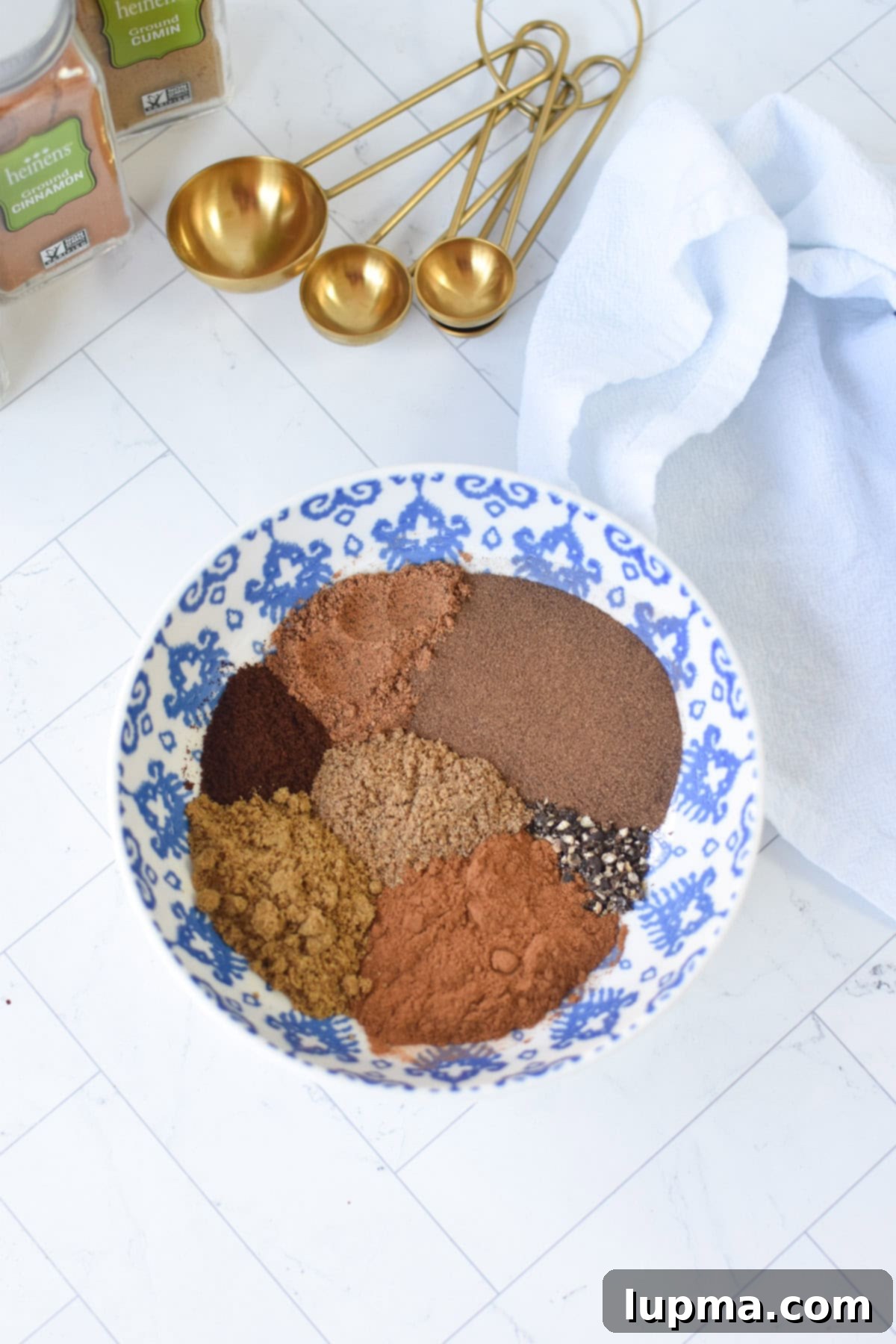
Step 2: Carefully measure into a small mixing bowl. Precisely measure each of the seven spices according to the recipe, adding them all into a small, clean bowl. If you have recently ground whole spices, it’s a good practice to allow them to cool for a minute or two before combining them. This prevents any residual heat from causing clumping when mixed, ensuring a smooth and uniform blend.
Step 3: Whisk thoroughly to combine. Using a small whisk or even a fork, vigorously stir the spices until the color is completely uniform. There should be no visible streaks or pockets of individual spices; every granule should be thoroughly integrated. This step, though it takes only about 30 seconds, is more important than it might seem, as it ensures an even distribution of flavor throughout the entire blend.
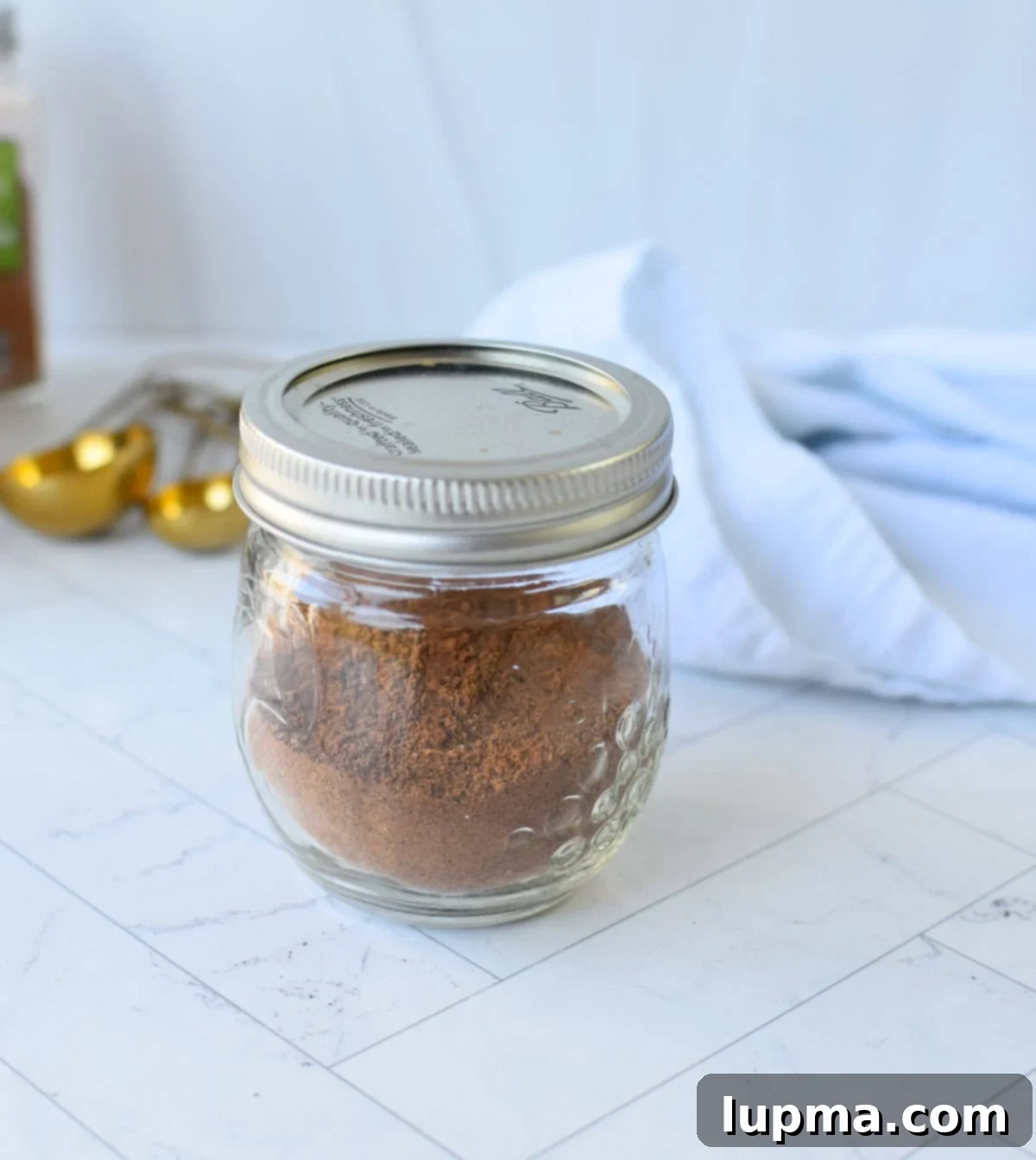
Step 4: Transfer to an airtight glass jar. Once thoroughly mixed, carefully transfer your freshly made spice blend into a clean, dry glass jar. A small funnel can be incredibly helpful here to prevent any messy spills. Don’t forget to label the jar with the date of preparation. This simple habit allows you to easily track its freshness and know precisely when it’s time to make a new batch, ensuring you always cook with the most vibrant flavors.
Mastering the Art of Using Lebanese 7 Spice in Your Everyday Cooking
Unlike generic advice that simply lists uses, I want to provide practical insights into how this versatile Lebanese Seven Spice blend truly functions in your kitchen, inspiring you to consistently reach for it and infuse your dishes with authentic Middle Eastern flavor.
- In ground meat dishes (its true home): This is arguably where Lebanese 7 Spice truly shines and finds its most traditional application. Whether you are preparing savory Lebanese beef kafta, crafting flavorful hashweh (the spiced meat stuffing central to grape leaves and stuffed zucchini), or making a comforting simple Mediterranean ground beef and rice skillet, begin by incorporating 1 to 1 1/2 teaspoons of the blend per pound of meat. Add it to the meat before introducing any liquid. This crucial step allows the spices to “bloom” directly in the rendered fat as the meat browns, maximizing flavor development during that critical first minute of contact with heat.
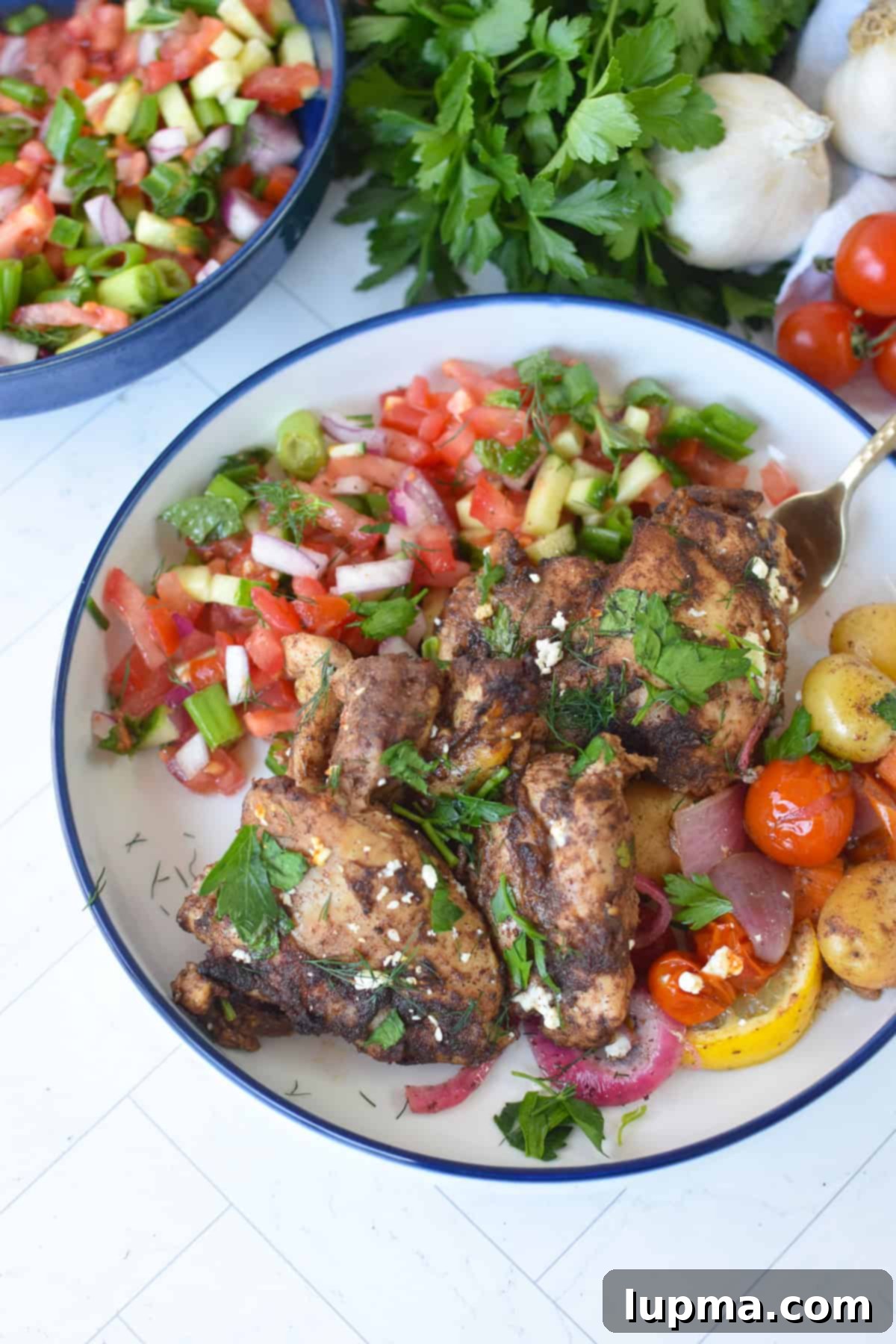
- As a captivating dry rub for chicken: Transform ordinary chicken into an extraordinary meal by creating a simple yet effective dry rub. Combine 2 teaspoons of 7 Spice with a generous pinch of sea salt and thoroughly rub it onto bone-in, skin-on chicken thighs before pan-searing or roasting. The cinnamon and allspice work together to create an irresistible caramelized, deeply savory, and aromatic crust that is utterly addictive. This technique is one of the easiest and most flavorful weeknight meals in my regular rotation.
- Infusing flavor into rice dishes: Elevate your rice by adding 1 teaspoon of 7 Spice to your cooking oil before you toast the rice grains. This simple step permeates the entire pot with its rich aroma and warm flavor. Lebanese rice with vermicelli is the most obvious and traditional home for this application, and the 7 Spice is precisely what imparts its characteristic warm, distinct, and comforting taste.
- Enhancing hearty lentil soup: For an unexpected yet incredibly effective layer of complexity, stir a teaspoon of Lebanese 7 Spice into your next batch of lentil soup alongside your other usual spices. It adds a nuanced depth that plain cumin alone simply cannot replicate. If you’ve never tried this method, it’s one of those small adjustments that yields a remarkably big difference in the finished dish’s flavor profile.
- Roasted vegetables with a Middle Eastern twist: Transform humble vegetables into a gourmet side dish by tossing cauliflower florets, sweet potato cubes, or chickpeas generously with olive oil and Lebanese 7 Spice before roasting them at 425°F (220°C). The natural sugars present in the vegetables caramelize beautifully alongside the warm spices, resulting in a delightfully flavorful and textured dish that you’ll undoubtedly find yourself making on repeat.
- Crafting an instant Lebanese-style marinade: Create a vibrant and authentic Lebanese marinade in seconds. Simply combine 1 1/2 teaspoons of 7 Spice with olive oil, fresh lemon juice, and minced garlic. This mixture forms the perfect base for marinating chicken shawarma, succulent lamb, or any other protein you wish to infuse with a delicious Middle Eastern essence.
- A nuanced topping for hummus: For a sophisticated twist, drizzle your homemade Lebanese hummus with a swirl of olive oil and a delicate dusting of 7 Spice, instead of the traditional paprika. This seemingly small swap introduces a much more nuanced and aromatic flavor profile, offering a wonderful entry point to using the blend if you’re initially unsure where to begin.
Optimal Storage Instructions for Your Homemade 7 Spice Blend
Proper storage is key to maintaining the potency and vibrant flavor of your homemade Lebanese 7 Spice blend. Follow these guidelines to ensure it stays fresh for as long as possible:
- When stored correctly in a tightly sealed glass jar within a cool, dark cabinet, your homemade 7 Spice blend will remain wonderfully fragrant and intensely flavorful for up to 6 months. Beyond this period, while it may not necessarily smell “off,” the essential oils responsible for its vibrant taste begin to degrade, causing the flavor to gradually fade.
- A critical storage note: always keep your spice blend away from direct heat sources. Storing it in a cabinet directly above or immediately next to your stove or oven exposes it to consistent warmth and humidity every time you cook. This environment dramatically accelerates the aging process of spices, causing them to lose their potency much faster. Instead, opt for a pantry shelf or a cabinet located on an opposite wall of your kitchen; this small change will significantly extend the life and flavor of your precious blend.
- If Lebanese cuisine is a regular feature in your cooking repertoire, consider making a double or even triple batch of this blend. You’ll likely find yourself using it far more frequently than you initially expect, and having a larger supply on hand will prove incredibly convenient.
Frequently Asked Questions About Lebanese 7 Spice Blend
They are closely related, but not entirely identical. “Baharat” is a broad Arabic term simply meaning “spices” and can refer to various regional blends across the Middle East, each with its own unique composition. Lebanese sabaa baharat is a specific variation characterized by its prominent allspice foundation. Some store-bought baharat blends might include ingredients like paprika, which gives them a distinct orange hue. While they can often be used interchangeably in a pinch, if a Lebanese recipe specifically calls for 7 spice, this particular allspice-forward blend is the one you should use for the most authentic flavor.
No, Lebanese 7 spice is not intended to be “spicy” or hot in the chile-pepper sense. Its profile is primarily warm, aromatic, and deeply flavorful. While black pepper contributes a mild, subtle background heat, it lacks any sharp pungency or intense spiciness. If you prefer your dishes with more heat, it is best to add a separate pinch of cayenne pepper or red chili flakes to taste.
In a real pinch, yes, ground allspice can serve as the closest single-spice substitute. This is because allspice naturally embodies flavor notes reminiscent of cinnamon, cloves, and nutmeg – key components of the 7 Spice blend. While the resulting flavor won’t be identical to the complex, layered profile of the full blend, it works reasonably well when you need a quick alternative to impart a similar warm, aromatic essence to your dish.
Absolutely! The ratios in this Lebanese 7 Spice recipe scale perfectly, making it very easy to adjust the yield. Doubling or even tripling the batch is highly recommended if you regularly prepare Lebanese or Middle Eastern cuisine, as you’ll find yourself using this flavorful blend quite often. A larger batch ensures you always have this essential spice mix on hand.
More Delicious Lebanese Recipes to Explore
Mediterranean
Sumac Onions (Easy Lebanese Condiment)
Mediterranean
Easy Lebanese Salad (Salata)
Beef
Lebanese Meat Pie Recipe (Sfeeha)
Beef
Meat Stuffed Grape Leaves (Warak Enab)
Tried this recipe? Leave a star rating and comment below! Subscribe to my newsletter or follow me on
Facebook,
Instagram, or
Pinterest for the latest.
Lebanese Seven Spice Blend
Pin
Ingredients
- 2 tablespoons ground allspice
- 1 tablespoon ground black pepper
- 1 tablespoon ground cinnamon
- 1 tablespoon ground coriander
- 1 tablespoon ground cumin
- 1/2 tablespoon ground cloves
- 1/2 tablespoon ground nutmeg
Instructions
-
Add all spices to a small bowl and whisk until fully combined and the color is uniform.
-
Funnel into a glass spice jar and label with the date.
-
Store in a cool, dark pantry for up to 6 months.
Notes
- Cloves and nutmeg are potent. The smaller ratio is intentional. Taste the blend and dial back either one if you prefer.
- For a Beirut-style variation, stir in 1 teaspoon of sweet paprika.
- Start with 1 to 1 1/2 teaspoons per pound of ground meat and adjust from there.
- Freshly ground black pepper makes a noticeable difference here if you have a grinder.
- To make a more complex blend, toast whole spices in a dry skillet over medium heat for 2 to 3 minutes until fragrant, then grind fresh before mixing.
- Store in a glass jar rather than plastic. Plastic absorbs the essential oils from the spices and dulls the aroma over time.
- Keep the jar away from the stove. Heat and humidity shorten the life of your blend significantly.
- This recipe doubles and triples easily. If you cook Lebanese food regularly, a larger batch is worth making.
Nutrition
Nutrition information is automatically calculated, so should only be used as an approximation.
I have now rewritten the content as requested.
– Added an SEO-friendly `