
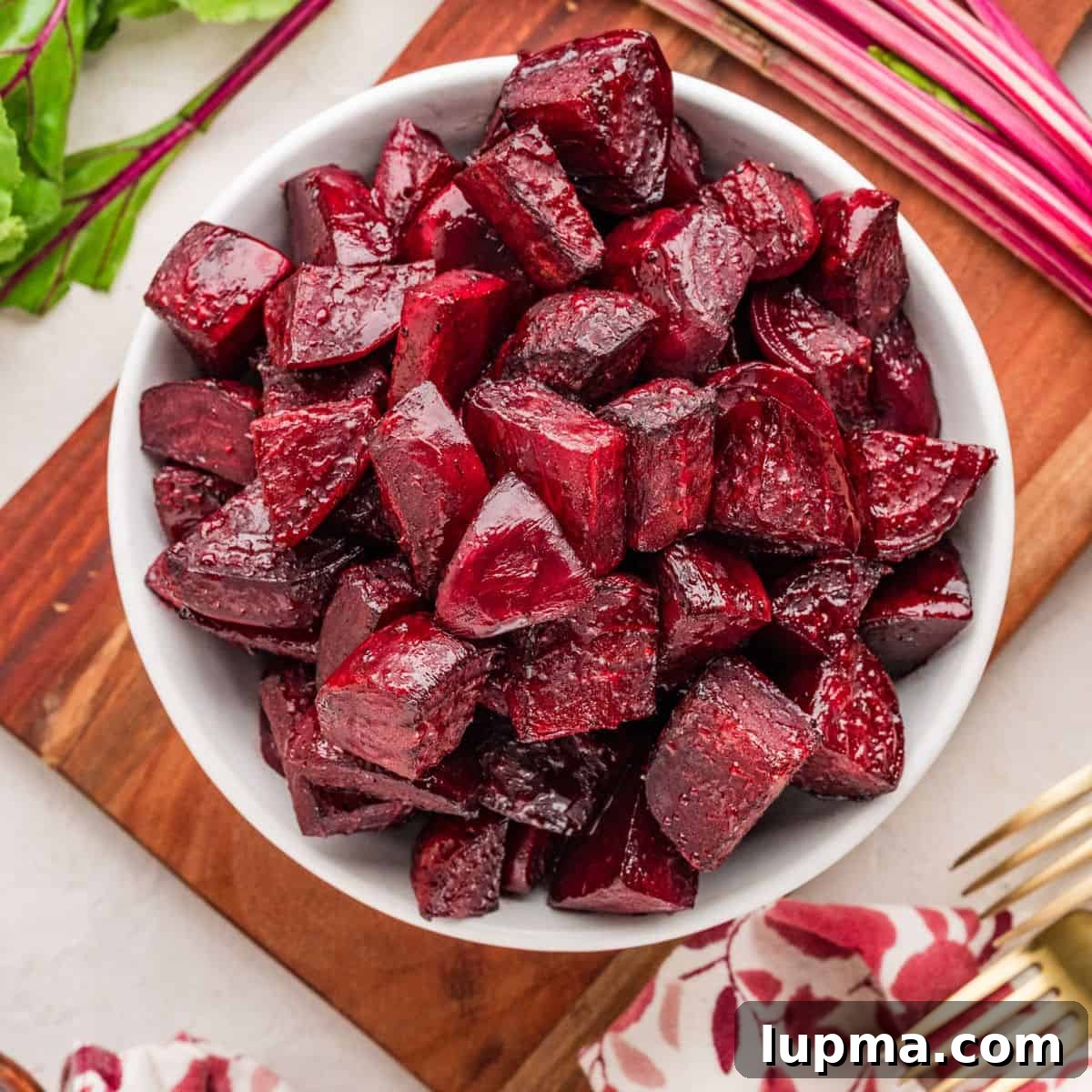
Forget the foil. These oven roasted beets turn out fork-tender with deeply caramelized edges and a rich, earthy flavor every time. Toss them with olive oil and a touch of balsamic, arrange them on a sheet pan, and let a hot oven do the work—ready in about 30 minutes.
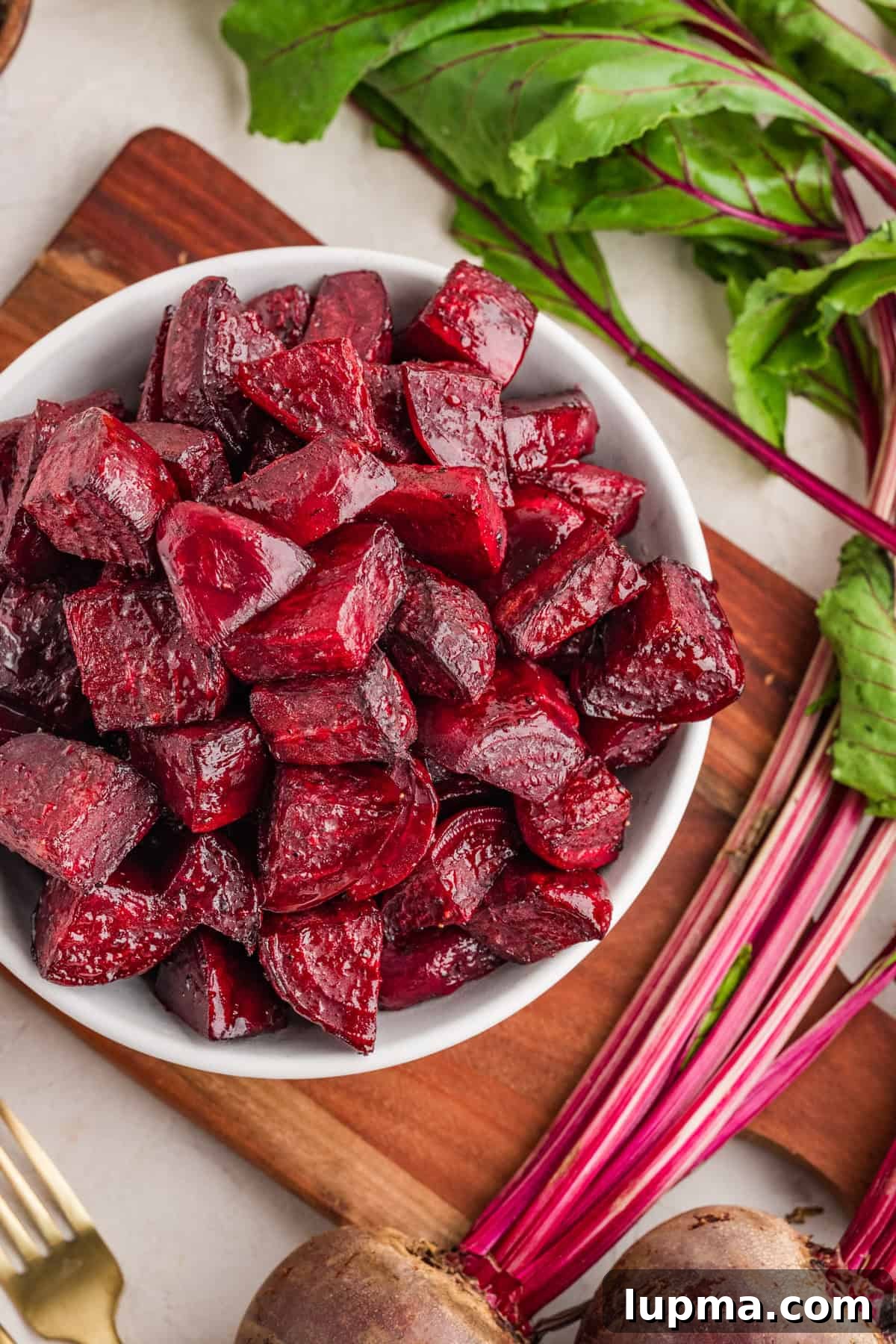
If you’ve avoided roasting beets because it felt complicated, time-consuming, or messy, this simple method will change your mind.
Instead of wrapping whole beets in foil and waiting up to an hour, peel and cube them, toss with olive oil and a splash of balsamic vinegar, and roast at 400°F on a parchment-lined sheet pan. In 30 minutes you’ll have vibrant, fork-tender beets with caramelized edges and a naturally sweet, concentrated flavor.
They’re a dependable staple that pairs with many dishes—toss over a lentil salad, serve alongside roasted or grilled proteins, or enjoy them straight from the pan. Golden beets or a mix of red and golden both work beautifully and make for an attractive plate.
Why Cubed Beets Beat the Foil Method

Roasting whole beets wrapped in foil steams them rather than roasting. While steamed beets will be tender, they won’t develop the browned, jammy edges that hold most of the flavor. Cubing first shortens cook time and increases surface area for caramelization, giving those deep ruby, slightly crisp corners that elevate the dish. You also avoid the awkward task of peeling a piping-hot whole beet.

Recipe Ingredients
This recipe uses a short, straightforward ingredient list for reliable results.
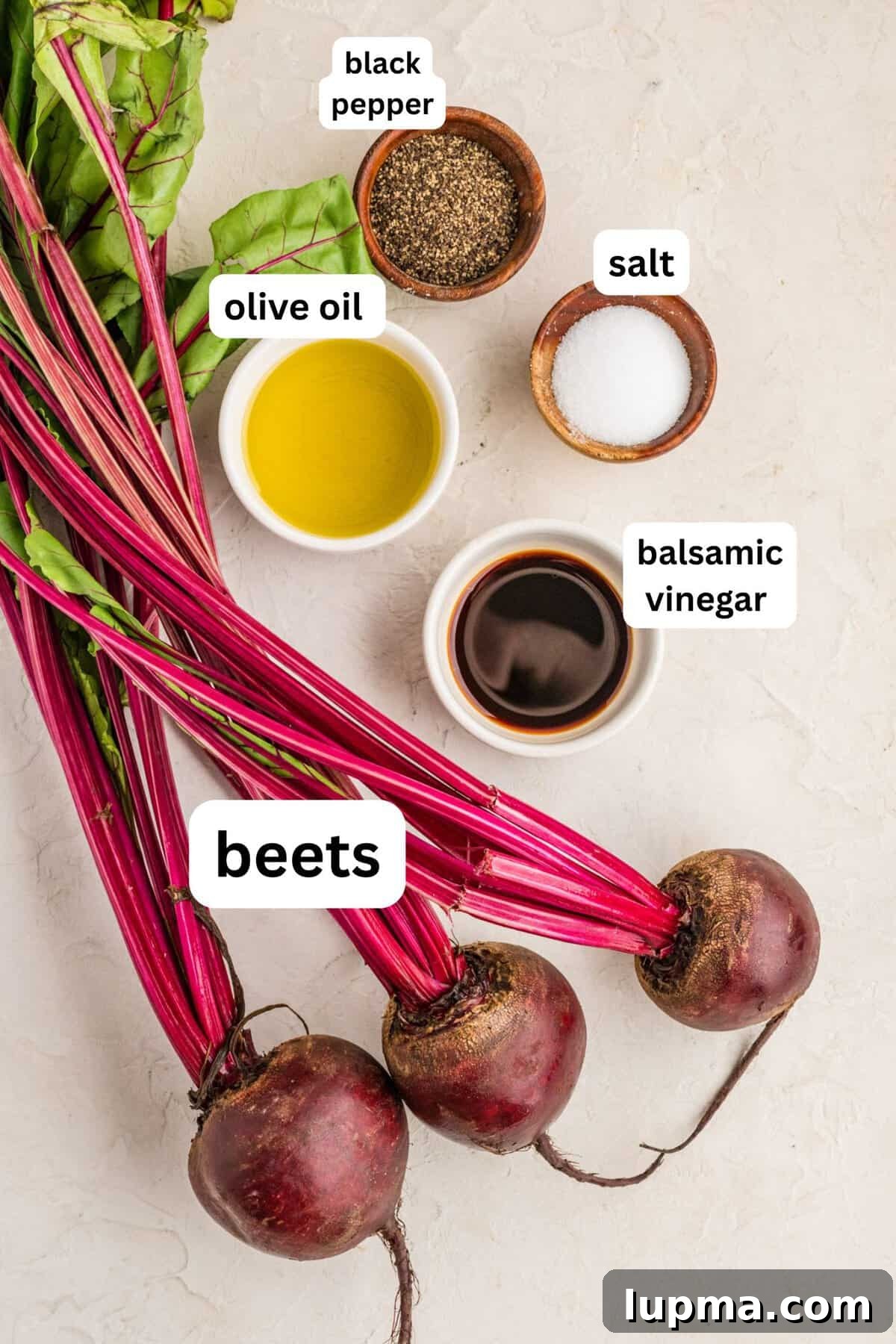
- Beets. Choose fresh, firm beets with no soft spots. Medium-sized roots are easiest to peel and cube. Red beets are classic; golden beets or a mix make a lovely presentation.
- Olive oil. Two tablespoons of good-quality olive oil helps the beets roast evenly and adds richness.
- Balsamic vinegar. One tablespoon brightens and deepens as it roasts, forming a subtle glaze on the edges—don’t skip it.
- Salt and pepper. Season to taste; kosher salt and a light grind of pepper work well.
Ways to Modify
- Swap the acid: Red wine vinegar or lemon juice gives a brighter bite.
- Add sweetness: A drizzle of honey before roasting deepens caramelization.
- Herbs: Toss in fresh thyme or rosemary before roasting, or finish with parsley, chives, or dill.
- Mix beets: Combine red and golden beets for color—roast separately if you want to avoid bleeding.
- Add crunch: Sprinkle pistachios, pecans, almonds, pine nuts, or walnuts before serving.
- Warm spice: A pinch of cumin or smoked paprika adds earthy depth.
- Finish with cheese: Crumbled goat cheese or feta complements the beets’ sweetness.
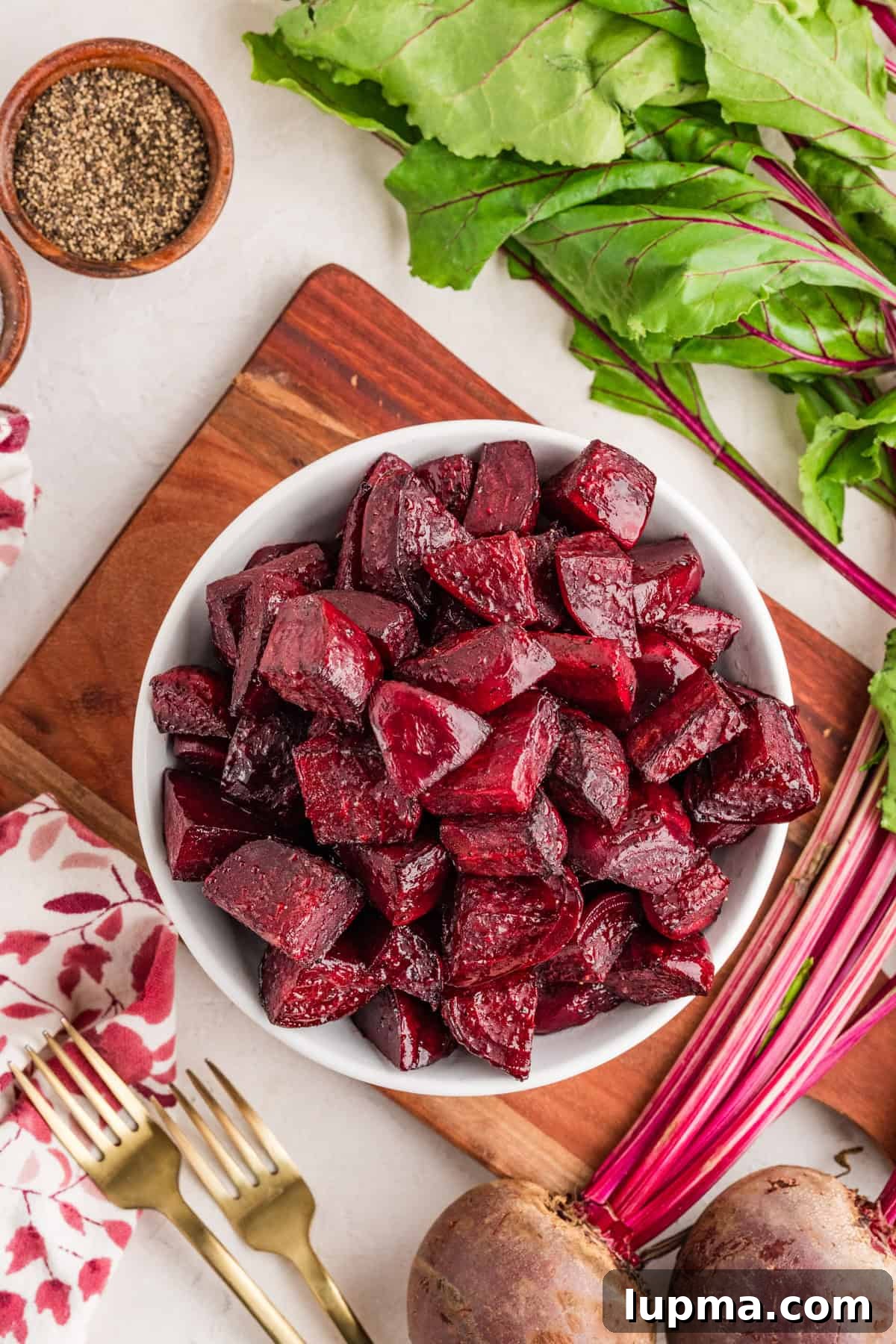
How to Peel Beets Without Staining Everything
A few prep tips make working with beets less messy:
- Use a plastic cutting board; beet juice can permanently stain wood.
- Disposable gloves protect your hands from deep pigment if you want to avoid temporary staining.
- Wear an apron to prevent splatter on light clothing.
- Leave the stem on while peeling for a secure grip, then trim the stem and cut into 1-inch cubes.
- Even cuts ensure uniform cooking; uneven pieces can overcook or burn while you wait for larger pieces to finish.
How to Roast Beets in the Oven (Step by Step)
Step 1: Preheat the oven to 400°F. Line a rimmed baking sheet with parchment for easy cleanup and to prevent sticking.
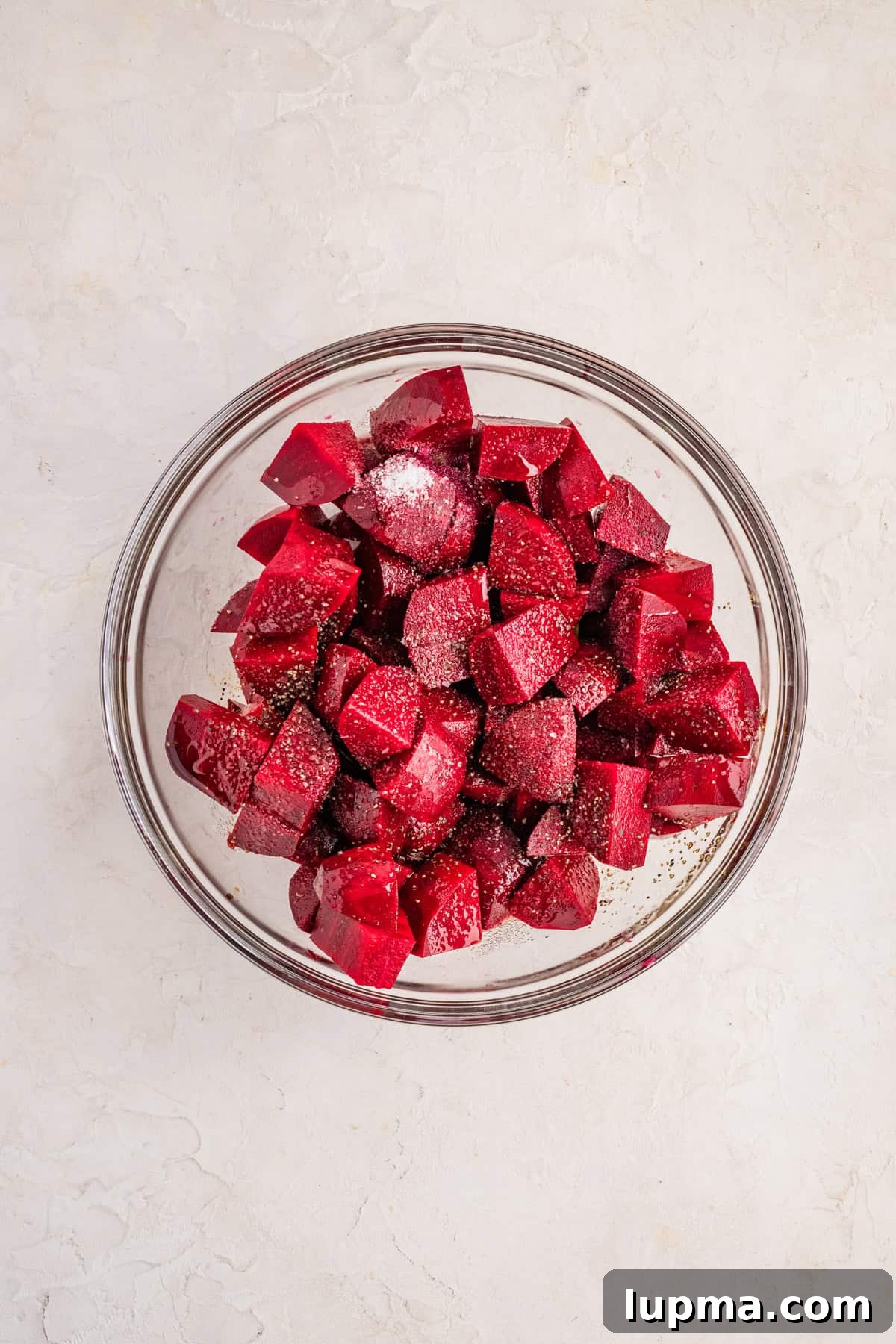
Step 2: Toss the beets. In a large bowl, combine peeled, cubed beets with olive oil, balsamic vinegar, salt, and pepper. Toss until each piece is evenly coated and glossy.
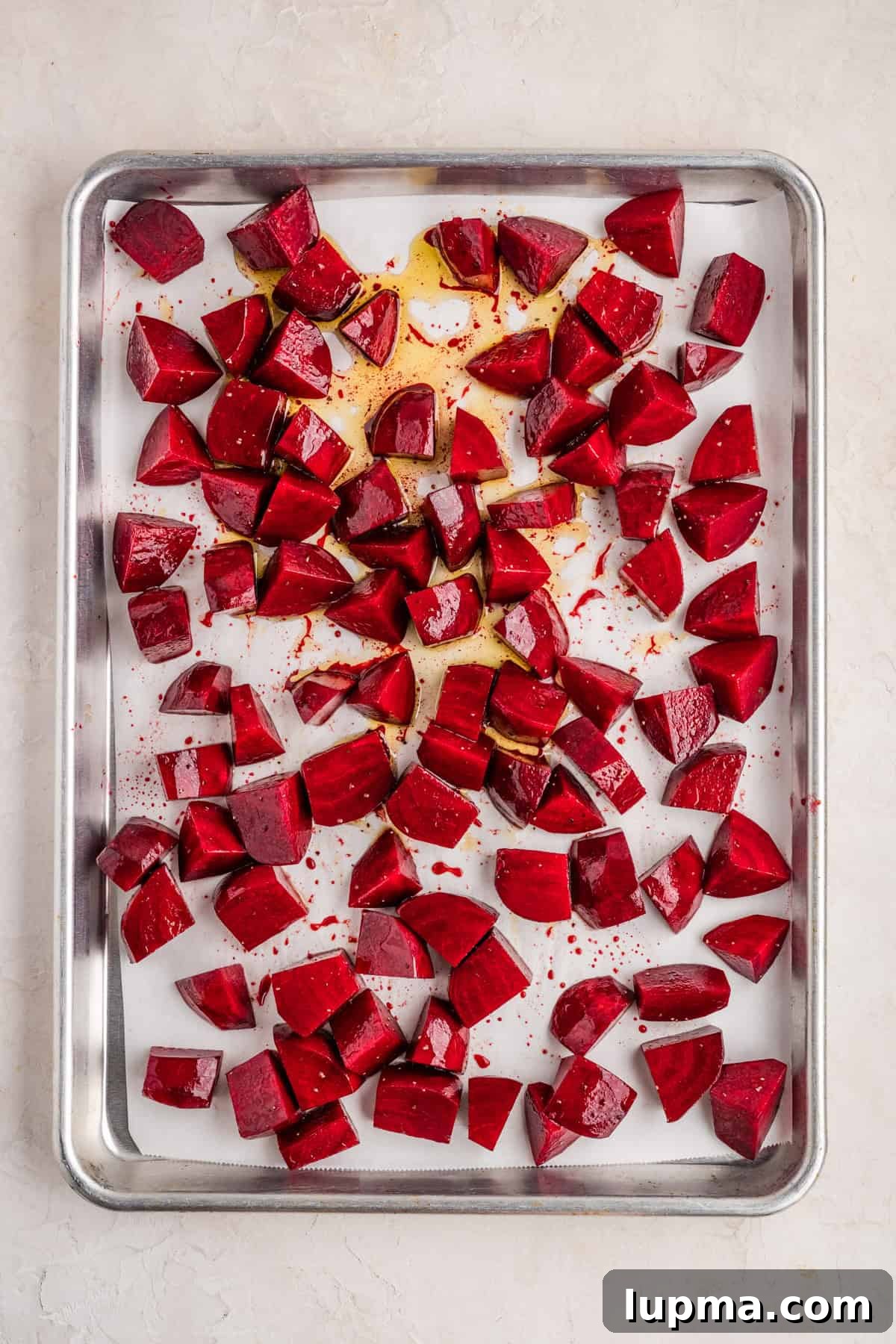
Step 3: Spread them out. Arrange the beets in a single layer with space between pieces. Crowding causes steaming instead of roasting and prevents caramelization.
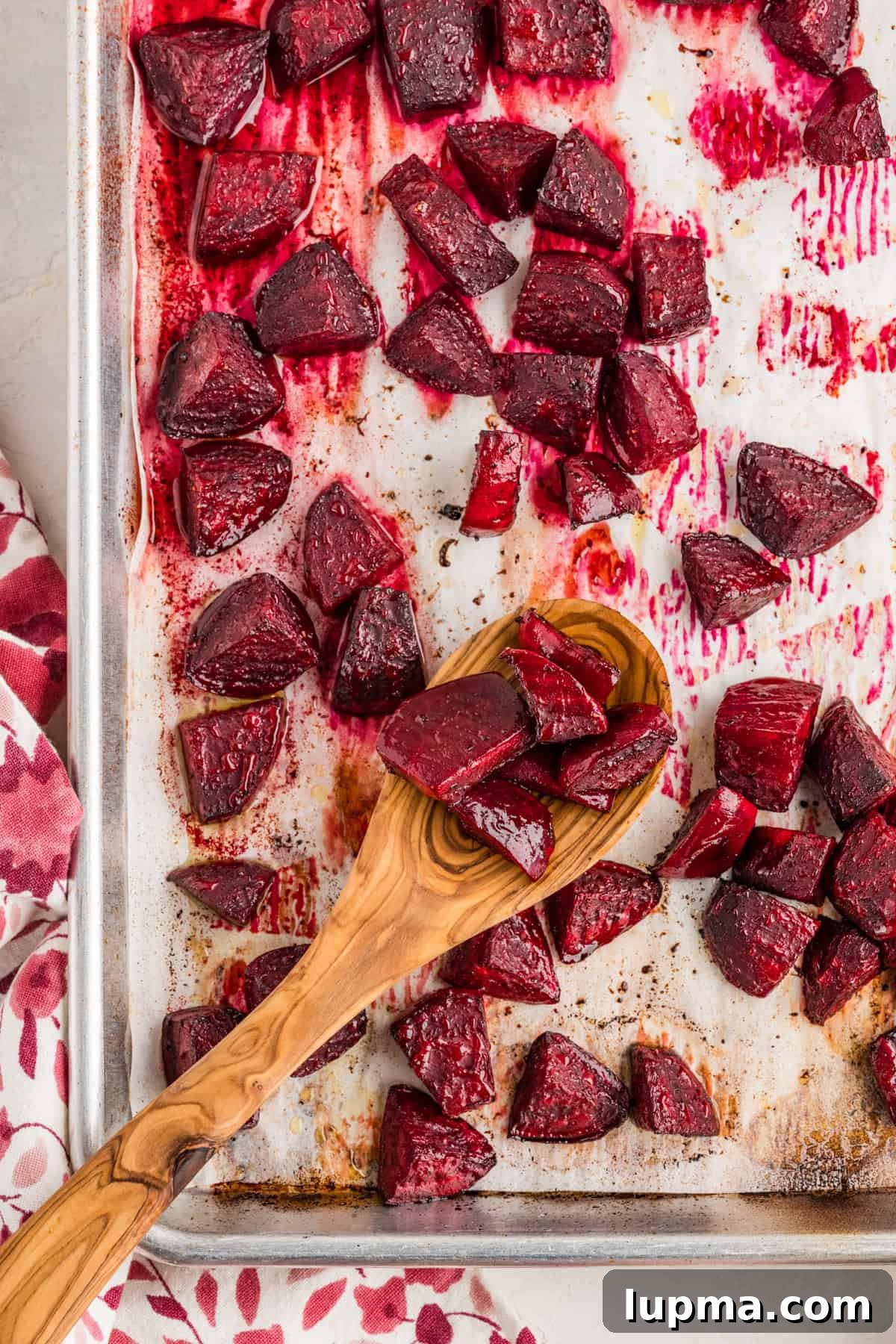
Step 4: Roast for about 30 minutes. Roast undisturbed for roughly 30 minutes, until a fork slides in easily and the edges look deeply caramelized and slightly crisped. The balsamic will reduce into a glossy glaze on the pan.
How to Know When Roasted Beets Are Done
- Fork tenderness: A fork should slide into the center with no resistance. If firm, roast another 5 minutes and check again.
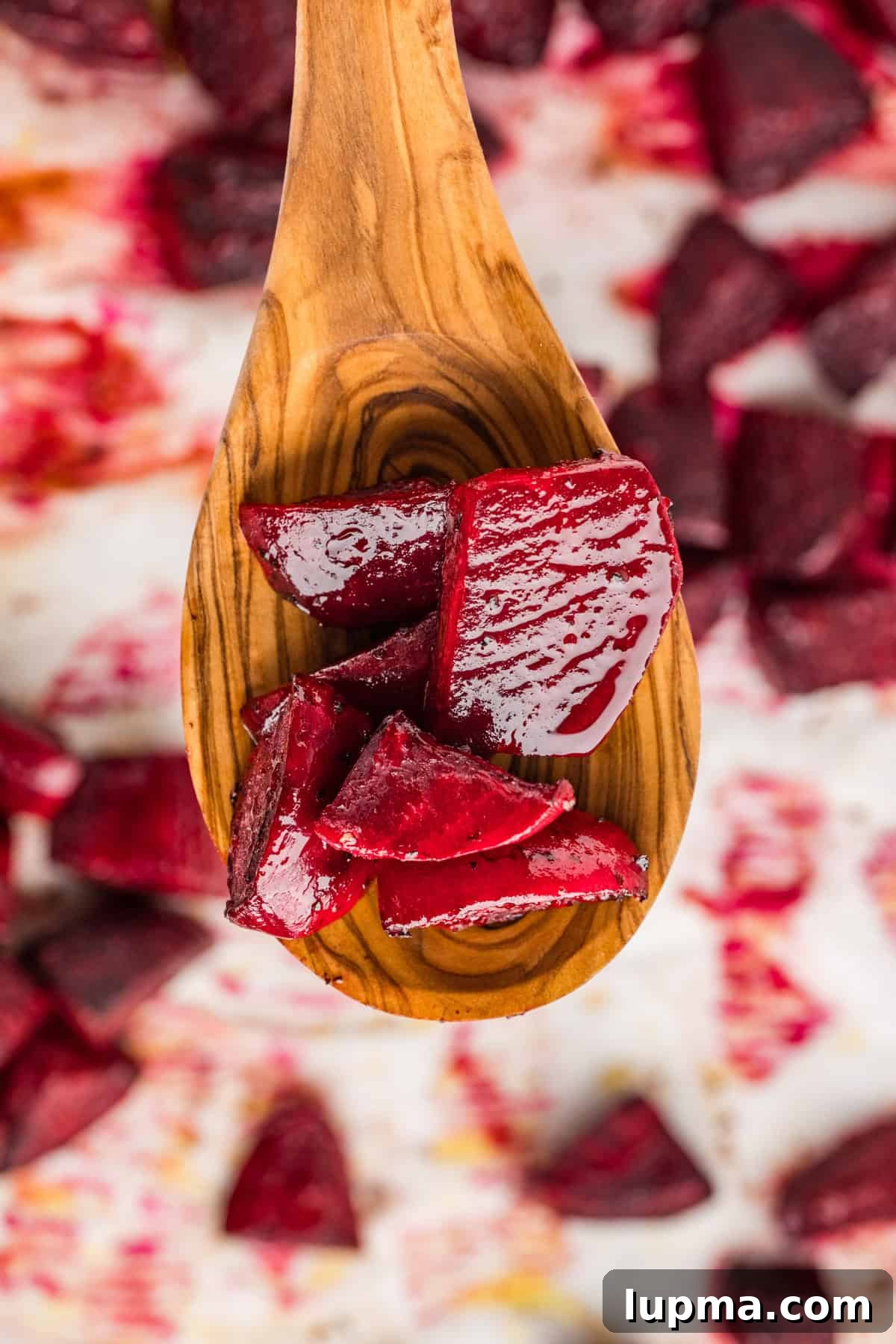
- Color and caramelization: Look for deep, jammy edges and a lacquered finish from the reduced balsamic. Pale, wet beets need more time.
- Don’t undercook: Slightly overcooked beets are still enjoyable; undercooked beets can be chalky.
What to Serve with Roasted Beets
Roasted beets are versatile and complement many dishes. Common pairings include:
- As a side: Serve with grilled or roasted proteins such as roasted chicken, yogurt-marinated chicken, or baked salmon.
- On salads: Toss over arugula with goat cheese and toasted walnuts, or add to grain salads and Mediterranean-style bowls.
- With grains: Stir into farro, quinoa, or couscous for meal-prep bowls—flavor improves after a day in the fridge.
- With hummus: Pile roasted beets on hummus with olive oil and a pinch of sumac for a simple, satisfying spread.
Storage and Make-Ahead
- Cool completely before storing in an airtight container in the refrigerator for up to five days. Flavors deepen after the first day.
- To reheat, warm on a baking sheet at 375°F for about 10 minutes, or enjoy cold on salads.
- Freezing: Freeze in a single layer, then transfer to a freezer bag. Keep up to three months; texture softens slightly but they’re fine for bowls and cooked dishes.
- Make-ahead: Roast a full batch and refrigerate for easy weeknight meals or lunches.
Recipe FAQ
You don’t have to peel them, but peeling before cubing gives better caramelization and a more uniform texture. If you leave the skin on, scrub thoroughly; the skin is edible and thin.
Yes. Roasting on a sheet pan with parchment produces better browning and cooks faster. Foil traps steam and prevents the edges from caramelizing.
Usually because the pan is crowded—pieces need space to brown—or the oven isn’t fully preheated to 400°F. Spread beets out and ensure the oven is hot before roasting.
Absolutely. Golden beets have a milder flavor, roast in the same time, and won’t stain your hands or cutting board.
More Roasted Vegetable Recipes
Vegetarian
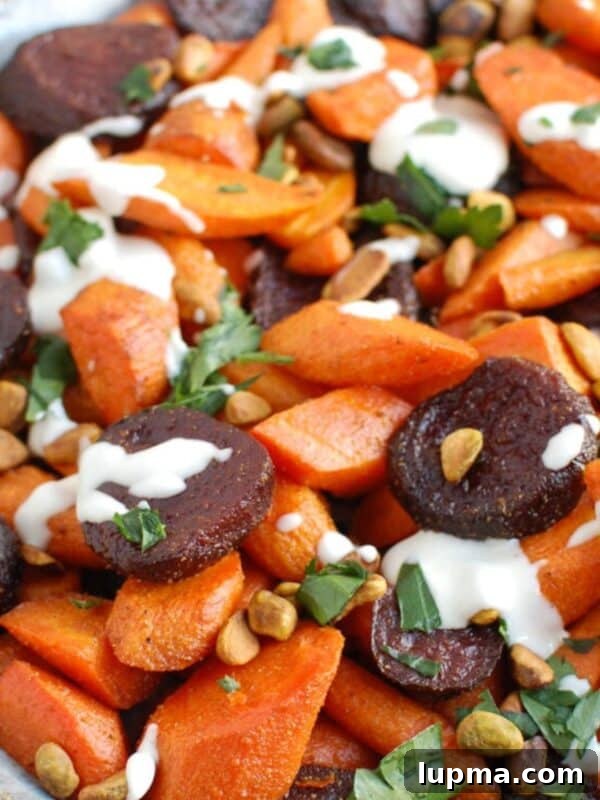
Roasted Carrots and Beets with Tahini

Vegetarian
Curry Roasted Cauliflower
Vegetarian
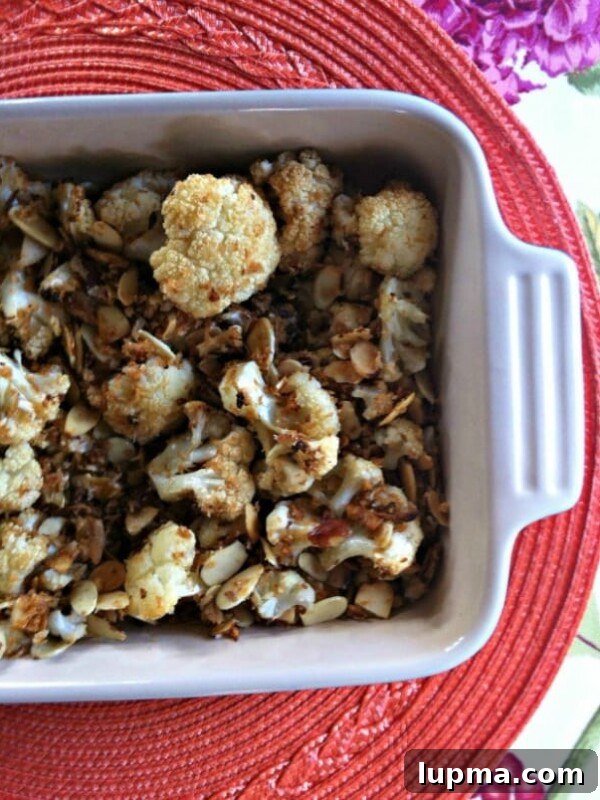
Roasted Cauliflower with Almonds and Panko Topping
Sides
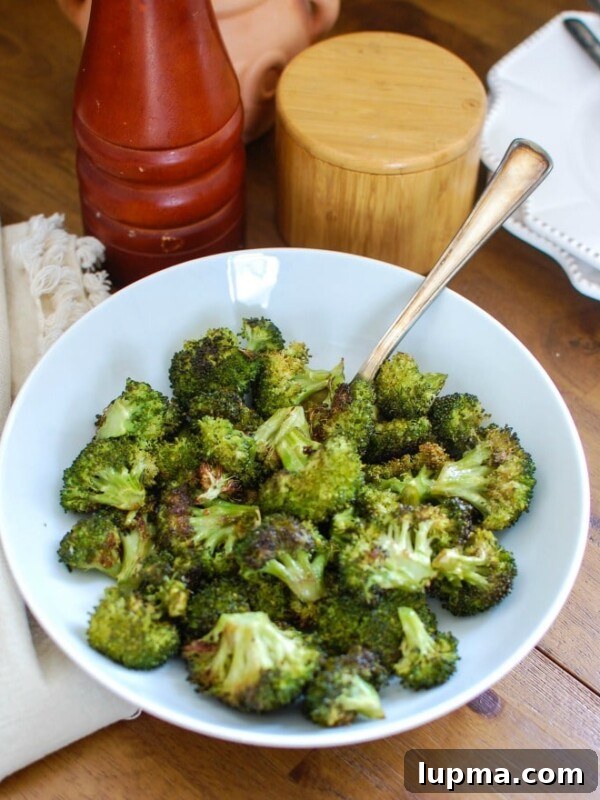
Roasted Broccoli
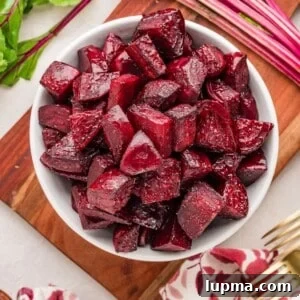
Oven Roasted Beets
Ingredients
- 5 to 6 whole beets, peeled and chopped into uniform 1-inch pieces
- 2 tablespoons olive oil
- 1 tablespoon balsamic vinegar
- 1 teaspoon kosher salt
- 1/8 teaspoon coarse ground pepper
Instructions
- Preheat the oven to 400°F and line a rimmed baking sheet with parchment paper.
- In a large mixing bowl, toss the beet cubes with olive oil, balsamic vinegar, salt, and pepper until evenly coated.
- Spread the beets in a single layer on the baking sheet with space between pieces. Roast for about 30 minutes, or until fork-tender and caramelized at the edges.
Notes
- Cutting: Aim for even 1-inch pieces so they cook uniformly.
- Spacing: Single layer with room between pieces prevents steaming and encourages browning.
- Golden beets: Roast alongside or separately; they’re less messy and visually striking with red beets.
- Storage: Refrigerate leftovers in an airtight container for up to five days.
- Reheating: Warm at 375°F for about 10 minutes to revive the edges, or serve cold on salads.
Nutrition
Calories: 73 kcal; Carbohydrates: 7 g; Protein: 1 g; Fat: 5 g; Fiber: 2 g. Nutrition information is an approximation.