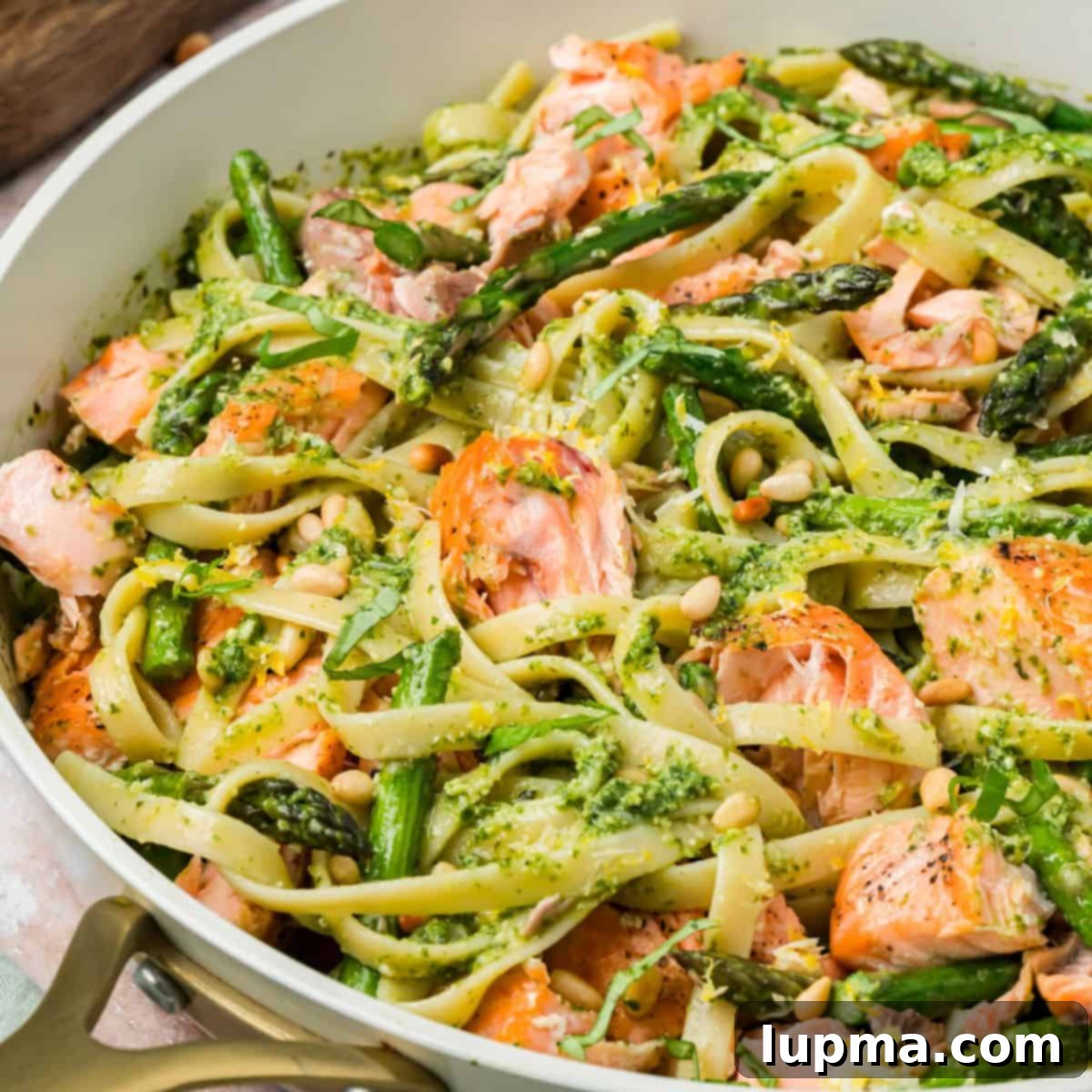
25-Minute Pan-Seared Salmon Pesto Pasta with Asparagus: Your Ultimate Easy Weeknight Delight
Forget complicated restaurant menus; this pesto pasta with salmon and asparagus brings gourmet flavor right to your kitchen in just 25 minutes. Imagine succulent, pan-seared salmon with a perfectly golden, crispy exterior and a tender, flaky interior, paired with vibrant green asparagus and long, silky pasta. All of it is generously coated in a bright, zesty basil pesto sauce infused with fresh lemon. This dish isn’t just fast; it’s a testament to how simple ingredients, when prepared thoughtfully, can create an unforgettable meal. It’s the kind of dinner that feels special enough for guests, yet effortless enough for any busy weeknight, hitting that exact sweet spot of feeling a little special, tasting incredible, and being genuinely easy. No heavy cream sauce, no complicated steps, just good basil pesto, perfectly seared salmon, bright lemon, and silky pasta that comes together in the time it takes to boil a pot of water. You might recall my Salmon Alfredo Pasta recipe shared a few weeks ago; this one offers a similar quick appeal but uses vibrant pesto as its base, making it especially perfect for spring!
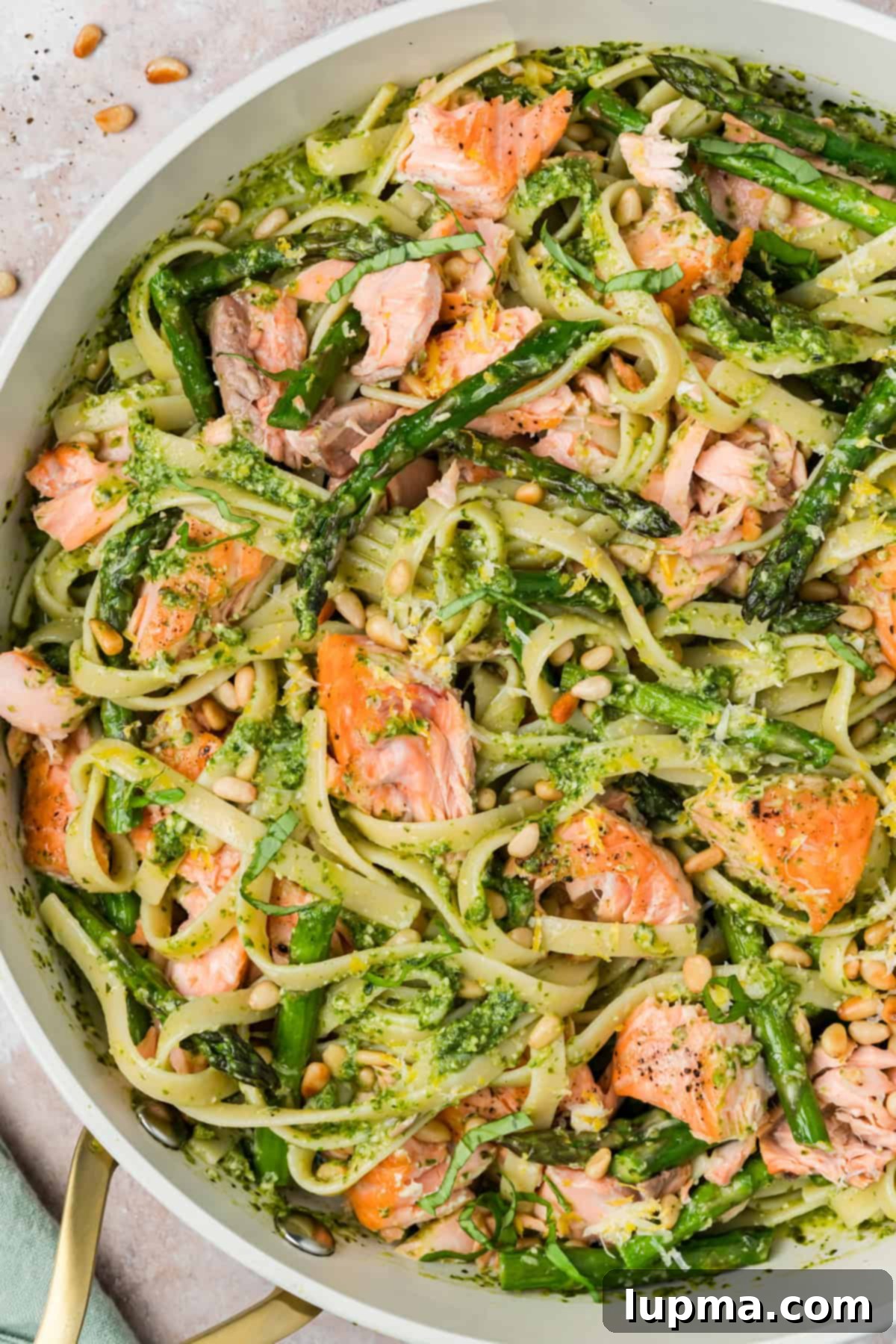
The asparagus in this dish is far from a mere filler. It adds crucial vibrant color, a delightful crisp-tender bite, and it magnificently soaks up the basil pesto, contributing a fresh, earthy counterpoint. And that often-overlooked secret weapon, the reserved pasta water? That is the quiet hero of this entire dish. It’s what ingeniously transforms the thick, concentrated pesto from a mere spread into a luxurious, emulsified sauce that actually coats every single strand of pasta beautifully. If you cherish Mediterranean-inspired dinners that are both incredibly fast and burst with fresh flavors, this easy pesto pasta with salmon and asparagus is guaranteed to go straight into your regular weeknight rotation.
Why This Pesto Pasta with Salmon Works So Well

Here is what truly makes this salmon pasta dish stand out and why it’s destined to become a favorite:
• The salmon is expertly pan-seared, not simply baked. This crucial technique delivers irresistible golden, crispy edges and a wonderfully tender, buttery center. The resulting textural contrast is paramount and elevates the salmon from good to exceptional.
• The sauce is refreshingly pesto-based, not cream-based. This allows the vibrant, authentic basil flavor to truly sing, complemented by the bright notes of lemon zest and juice, which keep the entire dish feeling light and invigorating. It’s a celebration of fresh flavors.
• That reserved pasta water is absolutely not optional. This seemingly small detail—just one-quarter cup (or more) of starchy cooking water—is the magic ingredient that transforms the pesto from a thick spread into a silky, cohesive sauce that beautifully clings to and coats every single strand of pasta, ensuring a perfect mouthful every time.

Ingredients You’ll Need for This Delightful Dish
Crafting this incredible dish starts with selecting the right components. Here’s a closer look at what you’ll need and some valuable tips for each:
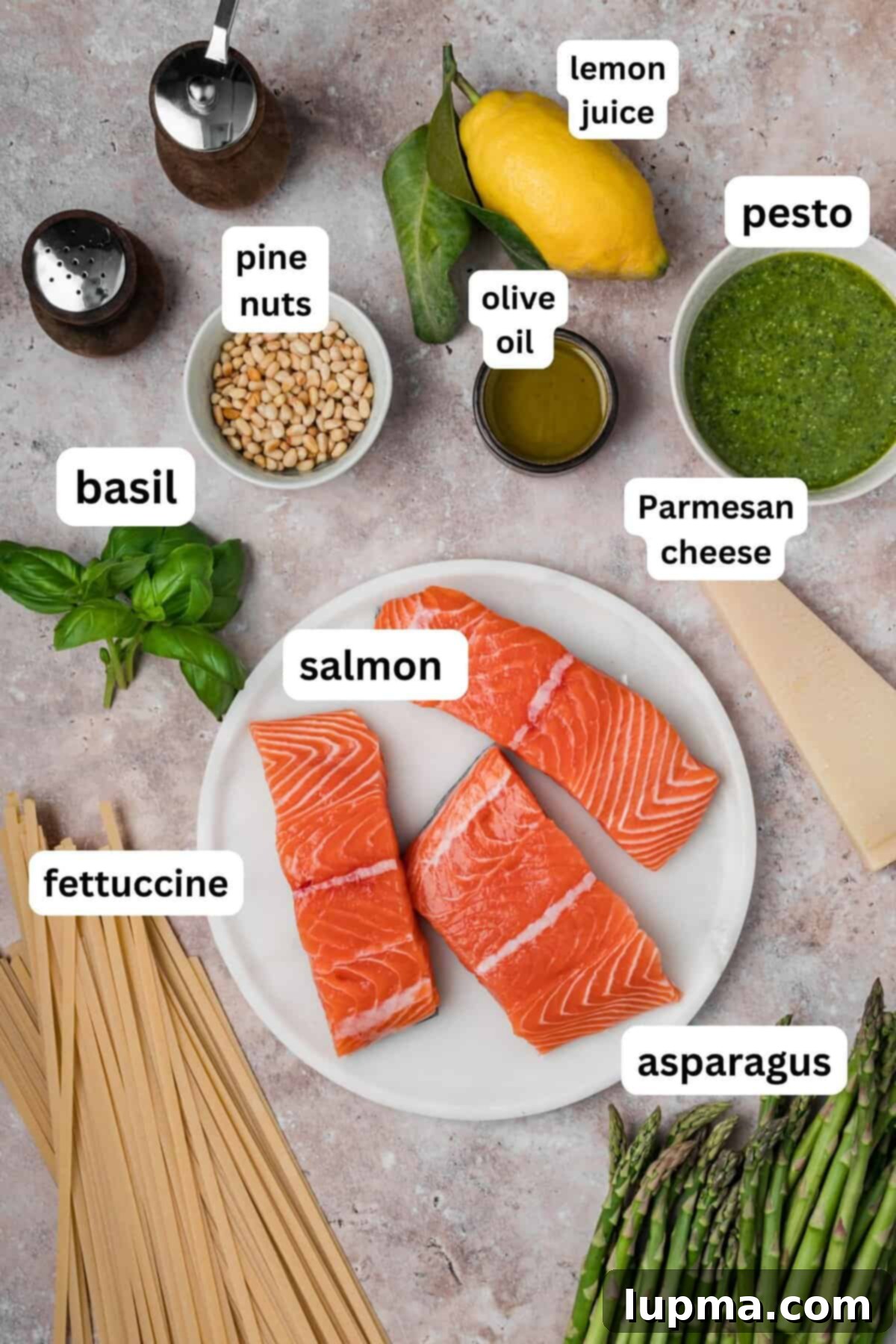
- Salmon: The star of the show! Opt for one large fillet you can portion yourself, or choose individual fillets (about 1 pound total). The key to that perfect golden sear is to pat the salmon very dry with paper towels before it touches the hot pan. Any moisture will steam the fish instead of creating that desired crispy crust. Both wild-caught sockeye salmon, known for its rich color and firm texture, or Atlantic salmon, praised for its buttery flavor, are excellent choices here.
- Long Pasta: For optimal sauce adherence and a luxurious mouthfeel, long pastas like fettuccine or linguine are highly recommended. Their strands perfectly cradle the silky pesto sauce and delicate flakes of salmon, making each bite cohesive. However, if you have penne, fusilli, or rotini on hand, these shorter shapes will also work wonderfully, particularly for trapping smaller pieces of asparagus and salmon.
- Basil Pesto: The heart of the sauce. Feel free to use your favorite high-quality store-bought pesto or whip up a quick homemade batch (a simple recipe is provided in the notes below). When choosing a jarred option, look for brands that prioritize olive oil over cheaper vegetable oils, and include real Parmesan cheese and pine nuts for the best flavor profile. It should be a pesto you genuinely enjoy eating by the spoonful!
- Fresh Asparagus: Far from being a mere filler, asparagus adds a crucial element of freshness, vibrant color, and a delightful crisp-tender bite. Trim off the woody ends, which can be tough and fibrous, and cut the stalks into manageable 2-inch pieces. The goal is bright green asparagus with a slight snap, not limp or mushy. It absorbs the pesto beautifully, enhancing the overall flavor and texture.
- Reserved Pasta Water: This is an absolutely essential ingredient! While you’ll ultimately use about ¼ cup for the sauce, always reserve at least ½ cup before draining your pasta. This starchy, savory liquid is a game-changer, transforming the pesto into a luxurious sauce that evenly coats every single noodle.
- Lemon Juice + Zest (1 tablespoon juice, 1 teaspoon zest): Do not underestimate the power of fresh lemon. It’s the ingredient that truly elevates this dish, providing a vital counterpoint to the richness of the pesto and salmon. The zest delivers concentrated aromatic oils, while the juice offers a bright, tangy finish, preventing the dish from feeling heavy and ensuring a refreshing taste.
- Parmesan Cheese: Freshly grated Parmesan cheese melts seamlessly into the warm sauce, adding a salty, umami depth. Pre-shredded cheese from a bag often contains anti-caking agents that can cause it to clump rather than melt smoothly. Taking an extra 30 seconds to grate fresh Parmesan is genuinely worth the superior texture and flavor.
- Toasted Pine Nuts (optional, for serving): A simple yet sophisticated finishing touch. A quick toast in a dry pan for 2 to 3 minutes brings out their inherent nuttiness and provides a wonderful textural crunch that contrasts beautifully with the soft pasta and flaky salmon. They’re a small step that yields a big flavor reward.
Substitutions and Variations to Customize Your Meal
- Pasta shape: While fettuccine and linguine are ideal for their ability to hold the sauce, don’t hesitate to use what you have on hand. Penne, fusilli, rotini, or even farfalle (bow-tie pasta) are all excellent alternatives. Shorter shapes are particularly good for scooping up the chunky bits of salmon and asparagus nicely.
- Swap the asparagus: Seasonality or personal taste might call for a different vegetable. Cherry tomatoes (halved and added at the end), crisp green beans, tender cauliflower florets, delicate baby spinach (toss it in at the very end to wilt), or savory broccolini florets all work incredibly well here, complementing the flavors of salmon and pesto beautifully.
- No pine nuts? If pine nuts aren’t available or you have allergies, simply skip them or swap in toasted walnuts or sliced almonds. The textural crunch is a delightful part of the experience, so try not to skip the crunch factor if you can manage it.
- Make it dairy-free: Easily adapt this recipe by using a dairy-free pesto (ensure it’s clearly labeled) and omitting the Parmesan cheese. To compensate for the slight loss of richness and tang, add an extra squeeze of fresh lemon juice or a sprinkle of nutritional yeast for a cheesy flavor.
- Canned salmon: For an even quicker meal or a pantry-friendly version, good-quality wild-caught canned salmon is a viable alternative. You’ll need about two 6-oz cans. Simply drain the salmon and flake it directly into the pasta at the very end, skipping the searing step entirely. This is a great emergency dinner solution.
- Gluten-free: Easily make this dish gluten-free by swapping in your favorite gluten-free pasta. Brown rice pasta or chickpea pasta are excellent choices that hold their shape and texture well with this sauce. Always cook according to package directions, as cooking times can vary.
- Want a creamy sauce instead? If you prefer a creamy sauce over the bright pesto, consider trying a different sauce base. My creamy dill sauce would offer a distinct, comforting flavor profile that pairs wonderfully with salmon.
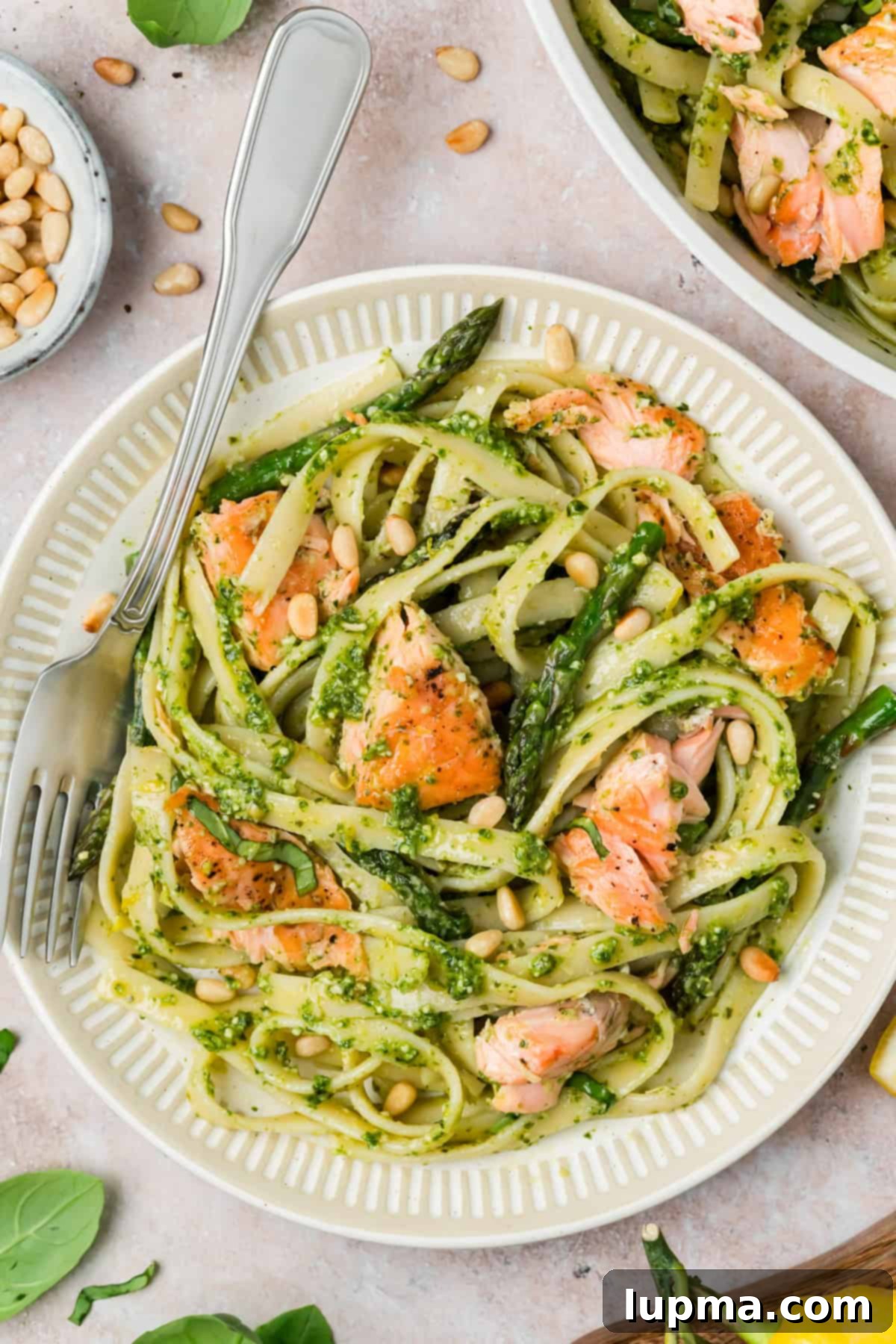
How to Make Salmon Pesto Pasta: A Step-by-Step Guide
This dish is designed for efficiency, with components cooking simultaneously in one skillet and one pot. Here’s a detailed step-by-step guide to bring this incredible meal to life:
Step 1: Cook the pasta. Bring a large pot of generously salted water to a rolling boil. Add your chosen pasta (fettuccine or linguine are ideal) and cook according to package directions until it’s perfectly *al dente* – tender yet with a slight bite. Before draining the pasta, make sure to scoop out about ½ cup of the starchy cooking water and set it aside. This reserved water is crucial for creating the perfect pesto sauce consistency. Once reserved, drain the pasta thoroughly and set it aside.
Step 2: Cook the asparagus. While your pasta is boiling, heat 1 tablespoon of olive oil in a large skillet over medium-high heat. Once shimmering, add the trimmed and cut asparagus pieces. Season them lightly with salt and freshly ground black pepper. Sauté the asparagus for just 2 to 3 minutes, stirring occasionally, until they turn a vibrant, bright green and are just tender-crisp with a slight bite. Avoid overcooking, as they will soften slightly when folded into the warm pasta later. Transfer the cooked asparagus to a clean plate and set aside.
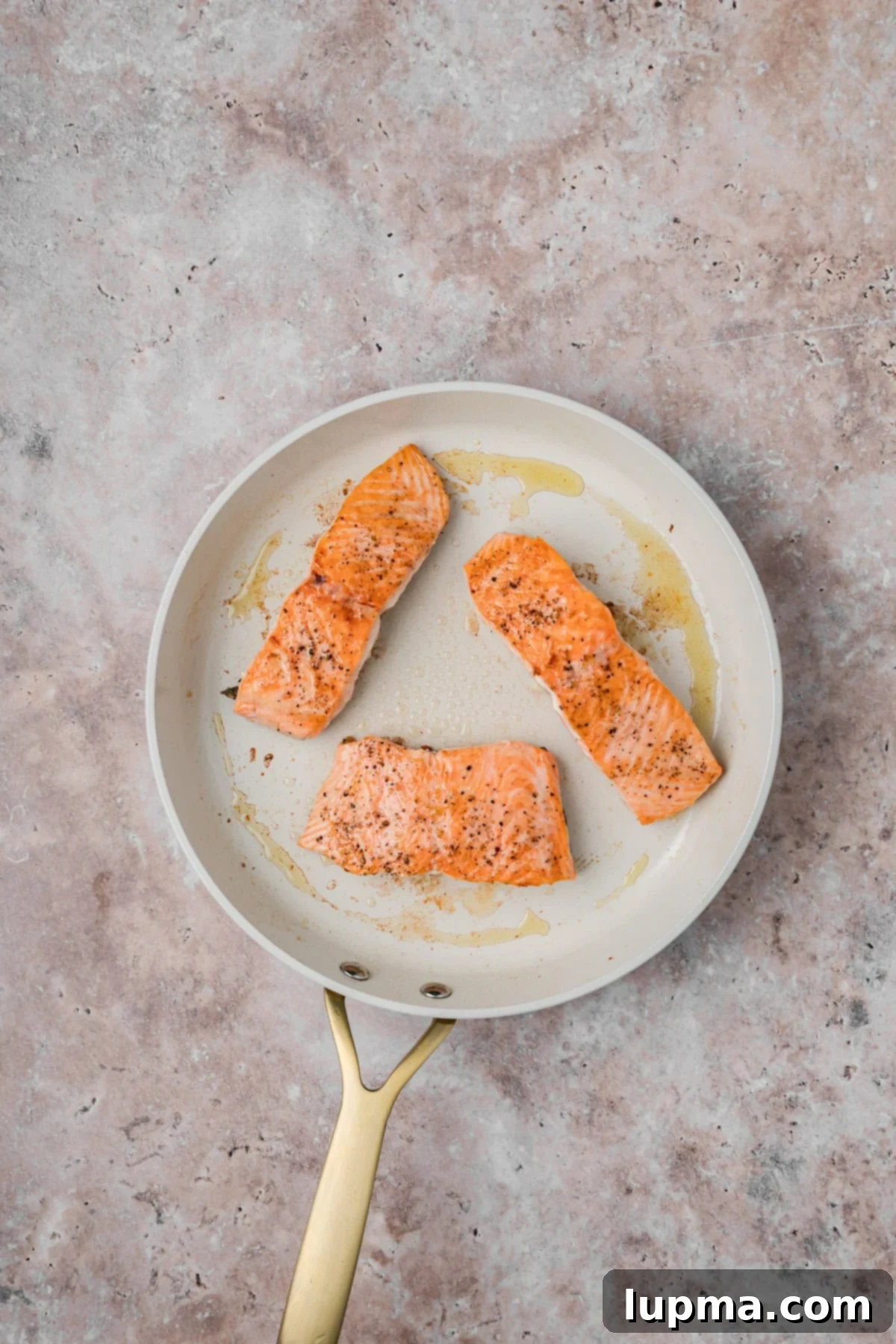
Step 3: Sear the salmon. The secret to incredible salmon starts here. Pat your salmon fillets very, very dry with paper towels. This step is absolutely non-negotiable if you want a beautiful golden sear instead of steamed, grayish fish. Season both sides generously with salt and pepper. Add the remaining tablespoon of olive oil to the same skillet (no need to clean it – those fond bits add flavor) and return it to medium-high heat. Once the oil is hot and shimmering, carefully place the salmon, skin-side down if applicable, into the skillet. Cook for about 5 minutes per side. Resist the urge to move it around; let it form a golden crust. The salmon is done when it’s golden on the outside and just opaque through the center, flaking easily when gently pressed with a fork. Remove the perfectly seared salmon from the pan and let it rest on a cutting board for a few minutes. This allows the juices to redistribute, keeping it moist. Then, break it into large, rustic, flaky pieces. We want substantial chunks of salmon, not tiny flakes.
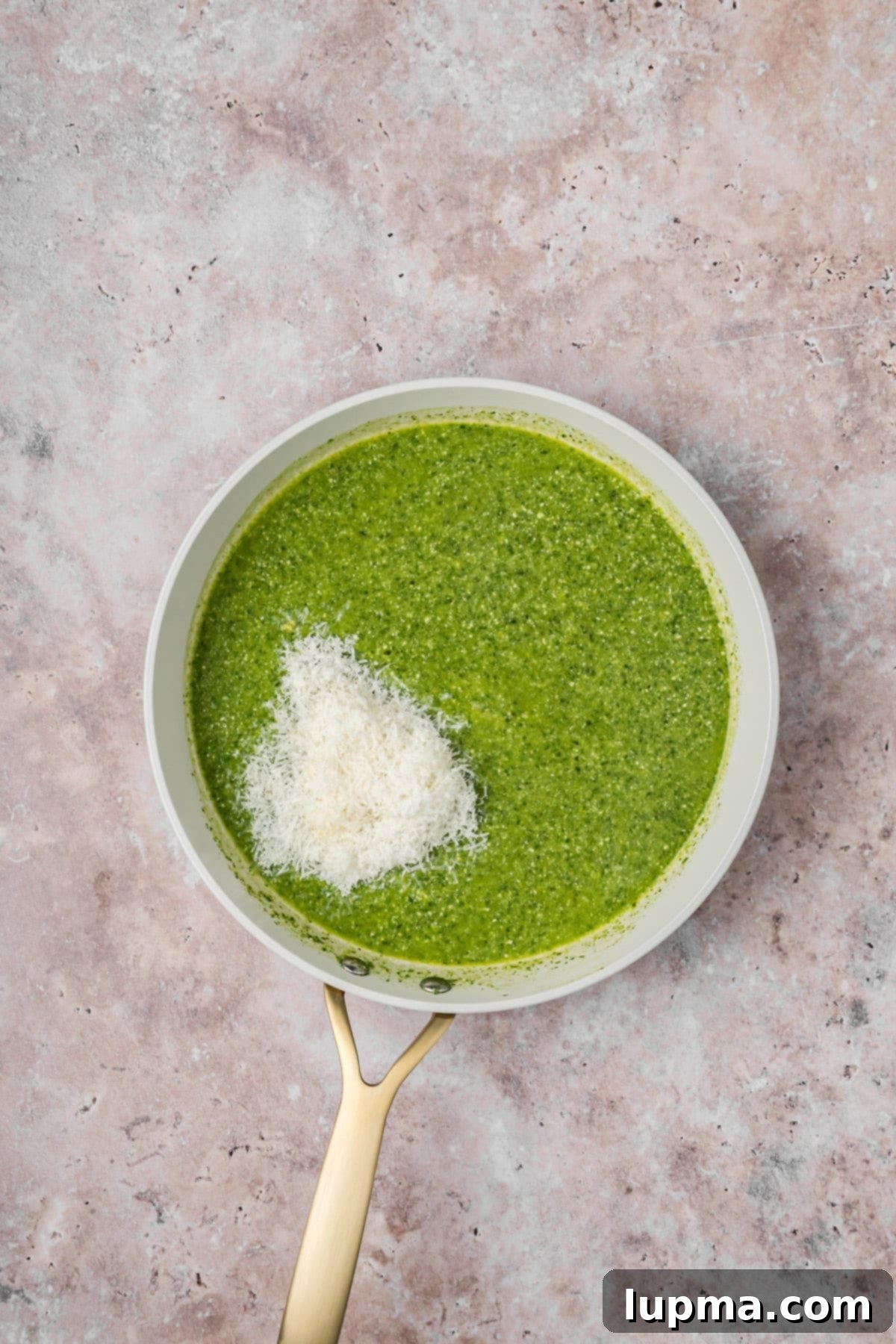
Step 4: Build the sauce. Return the skillet to low heat (no need to wipe it clean – those fond bits add flavor). Add the basil pesto, fresh lemon juice, lemon zest, and ¼ cup of the reserved pasta water. Stir continuously with a whisk or a wooden spoon until the sauce is smooth and gently warmed through. You’re not looking to “cook” the pesto, just to bring all the ingredients together and create a homogeneous, emulsified sauce. If the sauce seems too thick, you can add a tiny splash more pasta water, but always start with ¼ cup.
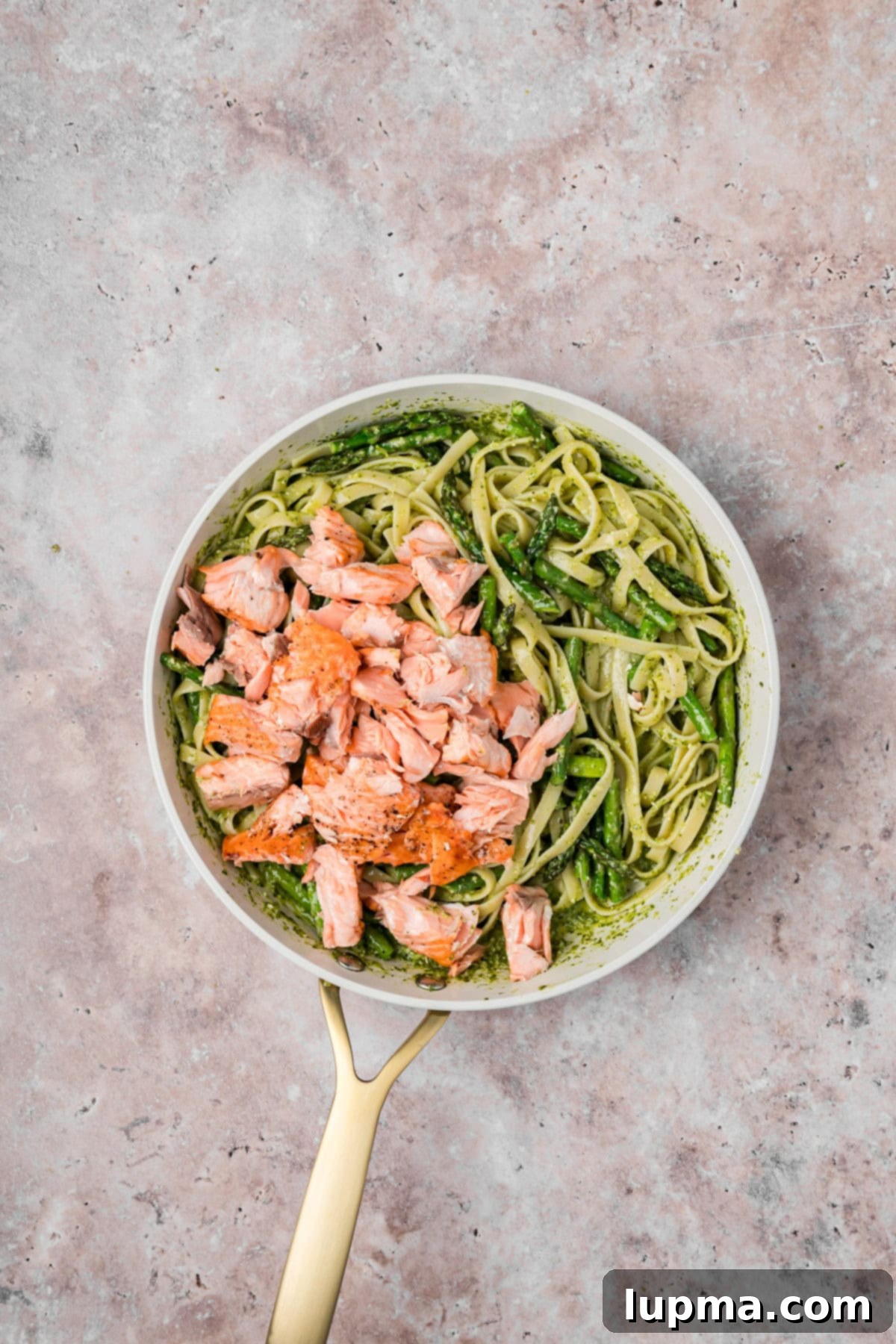
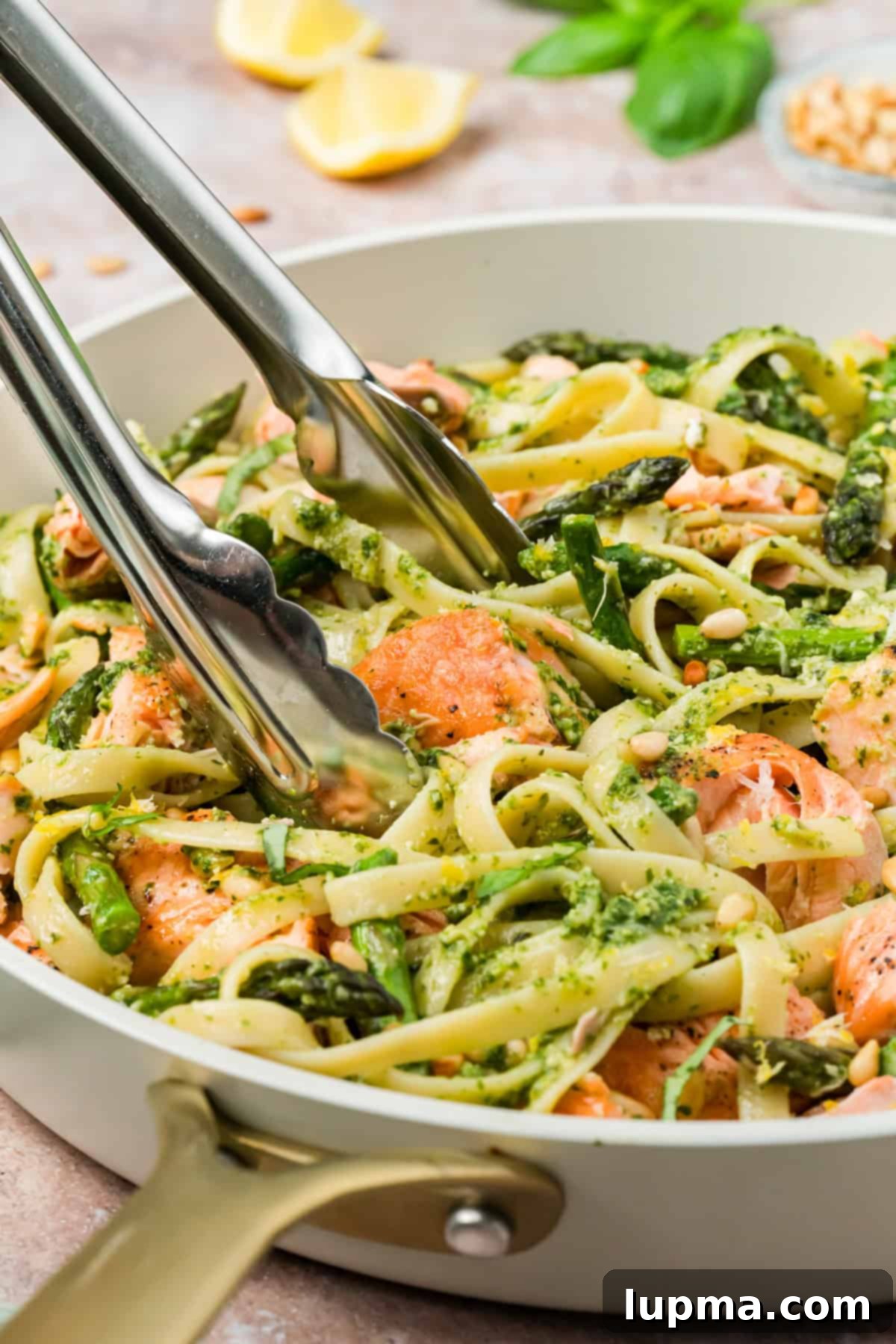
Step 5: Toss everything together. Add the drained, cooked pasta directly into the skillet with the warm pesto sauce. Using tongs, toss the pasta vigorously to ensure every single strand is thoroughly coated in the silky sauce. Stir in the freshly grated Parmesan cheese until it melts and integrates into the sauce, making it even creamier. If at this point the sauce appears too thick or dry, gradually add more of your reserved pasta water, a splash at a time, continuing to toss until the desired smooth and silky consistency is achieved. Finally, gently fold in the cooked asparagus pieces and the flaky, pan-seared salmon. Be delicate to avoid breaking up the salmon too much.
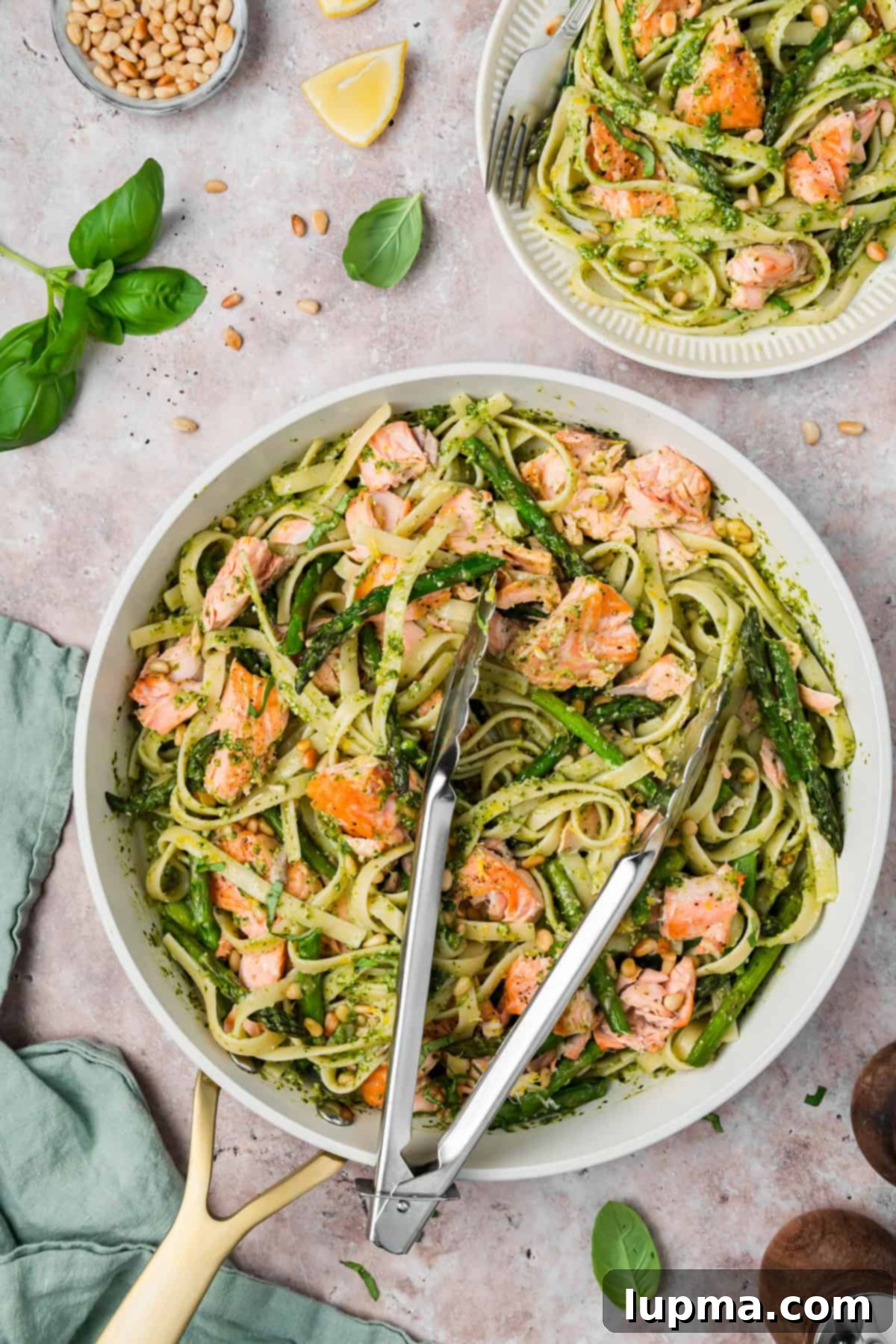
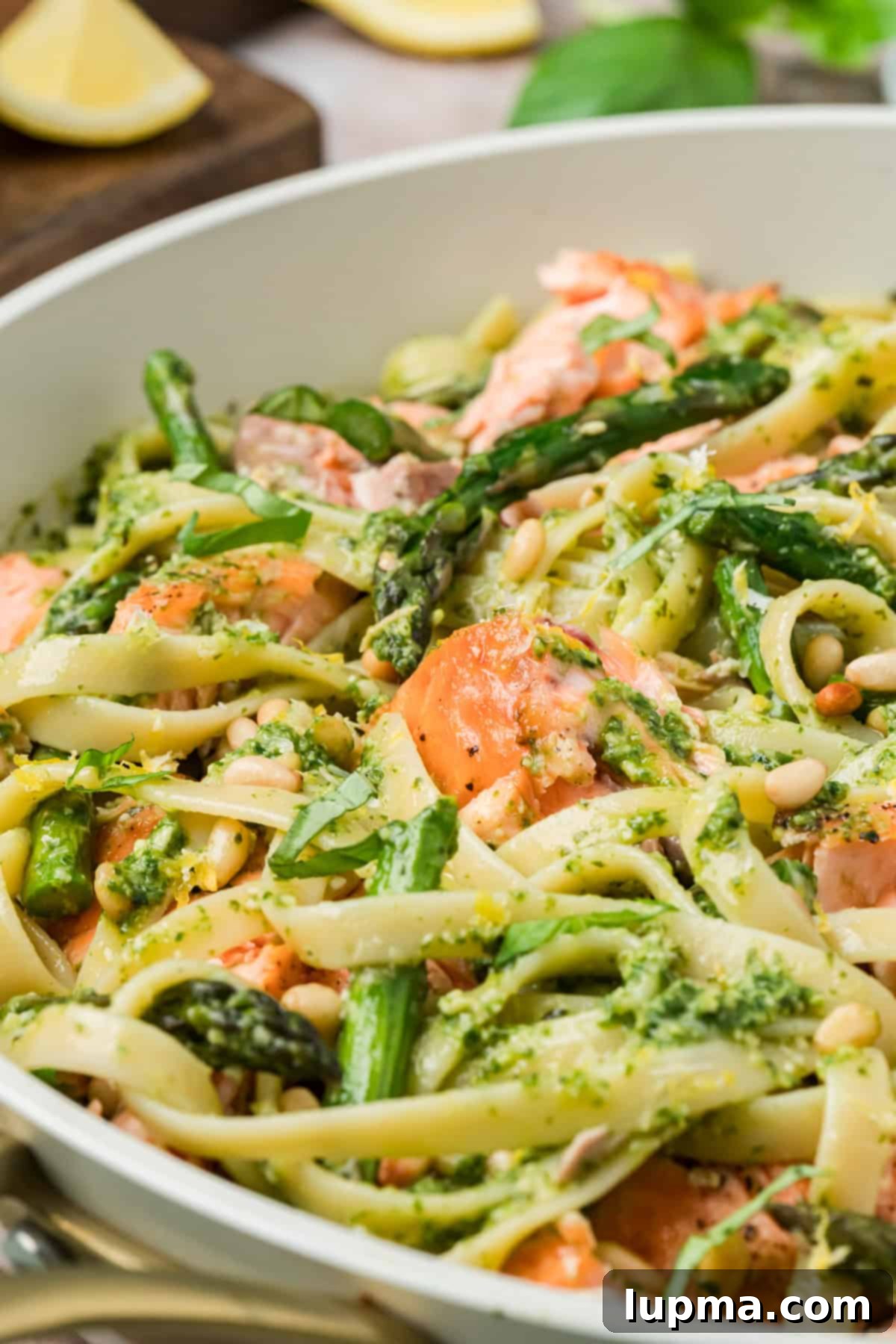
Step 6: Serve immediately. This dish is best enjoyed fresh off the skillet. Divide the pesto pasta with salmon and asparagus evenly among serving bowls. For an extra flourish, top each serving with additional grated Parmesan, a sprinkle of fresh lemon zest, and a handful of toasted pine nuts if you’re using them. A few fresh basil leaves torn over the top also add a wonderful aromatic touch and vibrant color.
Expert Recipe Tips for Perfect Pesto Pasta with Salmon
- Dry the salmon before searing: This is perhaps the most critical step for pan-searing. Any surface moisture will prevent the salmon from forming that beautiful, crispy, golden crust. Take a moment to pat it thoroughly dry with paper towels; 30 seconds makes a real difference.
- Do not move the salmon around in the pan: Once the salmon is in the hot pan, let it cook undisturbed for the recommended 5 minutes per side. It will naturally release from the pan when a proper crust has formed. If it sticks, it is not ready to flip. Patience here is rewarded with superior texture.
- The asparagus should be bright, not grey: Asparagus should be bright green and have a slight snap. Overcooked asparagus turns drab and mushy. Pull it from the pan just when it reaches the tender-crisp stage; it will continue to soften slightly in the residual heat and when mixed with the warm pasta.
- Save more pasta water than you think you need: You will use ¼ cup minimum for the sauce, but it is always wise to reserve closer to ½ cup. The consistency of pesto can vary, and pasta can absorb sauce differently. Having extra on hand allows you to easily adjust the sauce to your preferred silkiness.
- Break the salmon into big pieces, not little flakes: Instead of flaking the salmon into tiny bits, aim for larger, rustic chunks. This ensures you get a satisfying bite of tender, flavorful salmon with every forkful of pasta, rather than it disappearing into the sauce like confetti.
- Taste before serving: The saltiness of store-bought pesto can vary significantly by brand. Always taste the sauce *before* adding extra salt to the dish. Adjust seasonings as needed for perfect balance.
Jarred Pesto vs. Homemade: Which Works Best for This Recipe?
Both store-bought and homemade pesto can create a fantastic dish, depending on your time and preference. Here’s how to decide:
- Jarred pesto: A perfectly acceptable and often used option for busy weeknights. The convenience is unbeatable. When selecting a jarred pesto, aim for quality. Look at the ingredient list: olive oil should be the primary oil (avoid brands using canola or other cheaper vegetable oils), and it should contain real Parmesan cheese and pine nuts. Brands like Costco’s Kirkland Signature pesto or Rana pesto are generally good choices that offer a fresh, authentic flavor. If your chosen jarred pesto is already quite lemony, you might want to slightly reduce the amount of extra lemon juice added to the sauce to maintain balance.
- Homemade pesto: If you have an extra 10 minutes and a food processor, making pesto from scratch is highly rewarding. Homemade pesto offers a brighter, more vibrant, and undeniably fresher flavor. To make it quickly, combine 2 cups of fresh basil leaves, 2 tablespoons of pine nuts, 1 small garlic clove, ⅓ cup of good-quality olive oil, ¼ cup of freshly grated Parmesan cheese, 1 teaspoon of fresh lemon juice, and a pinch of salt in a food processor. Pulse until smooth, scraping down the sides as needed. The difference in freshness is noticeable and truly elevates the dish to another level.
What to Serve with Your Pesto Pasta with Salmon
This pesto pasta with salmon and asparagus is a wonderfully complete meal on its own, offering protein, carbohydrates, and vegetables. However, if you wish to expand your dining experience, here are a few perfect pairings:
- A simple arugula salad with lemon vinaigrette. The peppery notes of fresh arugula provide a beautiful contrast to the richness of the pesto and salmon, while a light lemon vinaigrette will echo the citrus notes in the pasta, creating a harmonious side.
- Crusty bread. A warm, crusty baguette or artisanal bread is always a welcome addition, perfect for soaking up any delicious leftover pesto sauce at the bottom of your bowl. Garlic bread would also be a fantastic choice.
- A vegetable side like these Simple Garlic Parmesan Green Beans or these Balsamic Mushrooms are a great side for added depth and texture.
If you like delicious salmon recipes, you might also like this Mediterranean Baked Salmon or these quick Air Fryer Salmon Bites. For more amazing pesto recipes, try this versatile Shrimp Pesto Pasta.
Storage and Reheating Instructions
- Refrigerator: Store any leftover pesto pasta with salmon in an airtight container in the refrigerator for up to 3 days. This ensures its freshness and prevents it from drying out.
- Reheating: To gently reheat, transfer the leftovers to a skillet over low heat. Add a splash of water or a drizzle of olive oil to help loosen the sauce and bring it back to its original silky consistency. Stir occasionally until warmed through. The microwave can also be used; reheat at 50% power in short bursts, adding a small splash of water to prevent the pasta and salmon from drying out.
- Freezing: Freezing this dish is generally not recommended. Pesto-based sauces tend to separate and lose their vibrant texture upon thawing, and cooked fish, especially salmon, can become dry and develop an unpleasant texture after being frozen and reheated.
- Meal prep note: If you plan to meal prep, you can cook the pasta and asparagus ahead of time and store them separately. However, for the best texture and flavor, it is highly recommended to sear the salmon fresh just before serving.
Frequently Asked Questions (Recipe FAQ)
Yes, absolutely. Just ensure the frozen salmon is completely thawed before you start cooking. The most crucial step is to pat it very dry with paper towels, as any moisture will cause it to steam rather than sear, preventing that desirable crispy skin and golden crust.
This is where the reserved pasta water truly saves the day! If your sauce appears too thick or dry after combining with the pasta, simply add more of the reserved starchy pasta water, a splash at a time, over low heat, and continue tossing. The starch in the water helps to emulsify with the pesto and olive oil, transforming it into a smooth, silky sauce that beautifully coats every strand. Do not skip saving it!
Absolutely. Two 6-oz cans of good-quality wild-caught salmon make an excellent pantry-friendly swap. There’s no need to sear it; simply drain the canned salmon, flake it gently, and fold it directly into the pasta along with the asparagus at the final mixing stage.
Long pasta shapes like fettuccine or linguine are generally considered ideal for this dish because their broad, flat surfaces and long strands are perfect for wrapping around and beautifully coating with the pesto sauce. But honestly, use what you have! Penne and fusilli are both great, especially for catching the flavorful chunks of salmon and asparagus, and work just as well.
More Delicious Salmon Recipes to Try
Seafood
Pan Seared Greek Salmon
Seafood
Easy Lemon Salmon Kabobs
Seafood
Mediterranean Salmon Bowl
Seafood
Marry Me Salmon
Tried this recipe? Leave a star rating and comment below! Subscribe to my newsletter or follow me on
Facebook,
Instagram, or
Pinterest for the latest.
Pesto Pasta with Salmon (Easy 25-Minute Weeknight Dinner)
Pin
Ingredients
For the pasta:
- 10 ounces long pasta (such as fettuccine or linguine)
- 1/2 pound fresh asparagus, trimmed
- 2 tablespoons olive oil, divided
- 1 pound salmon fillets
- Salt and black pepper, to taste
For the sauce:
- 2/3 cup basil pesto
- 1 tablespoon fresh lemon juice
- 1 teaspoon lemon zest
- 1/4 cup reserved pasta water, plus more if needed
- 1/3 cup freshly grated Parmesan cheese
For serving:
- 2 tablespoons toasted pine nuts, optional
- Fresh basil leaves, optional
- Extra lemon zest and Parmesan cheese
Instructions
-
Bring generously salted water to a rolling boil in a large pot. Add pasta and cook until perfectly al dente, according to package instructions. Before draining, make sure to scoop out about ½ cup of the starchy cooking water and set it aside. Drain the pasta thoroughly and set aside.
-
Cut the fresh asparagus into uniform 2-inch pieces, ensuring the woody ends are trimmed off.
-
Heat 1 tablespoon of olive oil in a large skillet over medium-high heat. Add the asparagus pieces and season lightly with salt and freshly ground black pepper. Sauté for just 2-3 minutes, stirring occasionally, until they turn a vibrant, bright green and are just tender-crisp with a slight bite. Transfer the cooked asparagus to a clean plate and set aside.
-
Pat the salmon fillets very dry using paper towels; this is crucial for a good sear. Season both sides generously with salt and pepper. Heat the remaining tablespoon of olive oil in the same skillet over medium-high heat. Carefully add the salmon and cook for about 5 minutes per side, until golden brown and cooked through, flaking easily when gently pressed.
-
Remove the seared salmon from the pan and let it rest on a cutting board for a few minutes. Then, break it into large, rustic pieces.
-
In the same skillet, over low heat, combine the basil pesto, fresh lemon juice, lemon zest, and ¼ cup of the reserved pasta water. Stir continuously until the sauce is smooth and gently warmed through. Add the drained, cooked pasta and toss vigorously to ensure every strand is thoroughly coated.
-
Stir in the freshly grated Parmesan cheese until it melts and integrates into the sauce. The sauce should appear smooth and beautifully coat the pasta; if it seems too thick, add a little more reserved pasta water, a splash at a time, until the desired silky consistency is achieved. Gently fold in the cooked asparagus and the flaky salmon pieces.
-
Divide the finished pasta evenly between serving bowls and top with extra fresh lemon zest, additional grated Parmesan cheese, and toasted pine nuts (if using). A few fresh basil leaves torn over the top also add a delightful aromatic touch and vibrant color. Serve immediately for the best experience.
Notes
- You can use either a high-quality store-bought pesto or whip up a fresh homemade version in this recipe. To make a quick homemade version, blend 2 cups fresh basil, 2 tablespoons pine nuts, 1 small garlic clove, ⅓ cup olive oil, ¼ cup grated Parmesan, 1 teaspoon lemon juice, and a pinch of salt until smooth in a food processor.
- Long pasta, such as fettuccine or linguine, works especially well here as its broad strands coat beautifully with the silky sauce. However, shorter shapes like penne or fusilli can also be used and work just as effectively for trapping the delicious chunks of salmon and asparagus.
- If you choose to use pine nuts, ensure you toast them for a couple of minutes in a dry pan until they are lightly golden and fragrant. This step significantly enhances their nutty flavor and adds a delightful crunchy texture to the dish.
- Keep a close eye on the asparagus during cooking so it doesn’t overcook. It should be pulled from the pan while it is still bright green and slightly firm to the bite, as it will soften further when mixed with the warm pasta.
- Leftovers can be stored in an airtight container in the refrigerator for up to 3 days. When reheating, gently warm them in a skillet over low heat with a splash of water or olive oil to help loosen the sauce, or use the microwave at 50% power, adding a little liquid to prevent drying.
Nutrition
Nutrition information is automatically calculated, so should only be used as an approximation.